

Working with Traces for Performance Evaluation
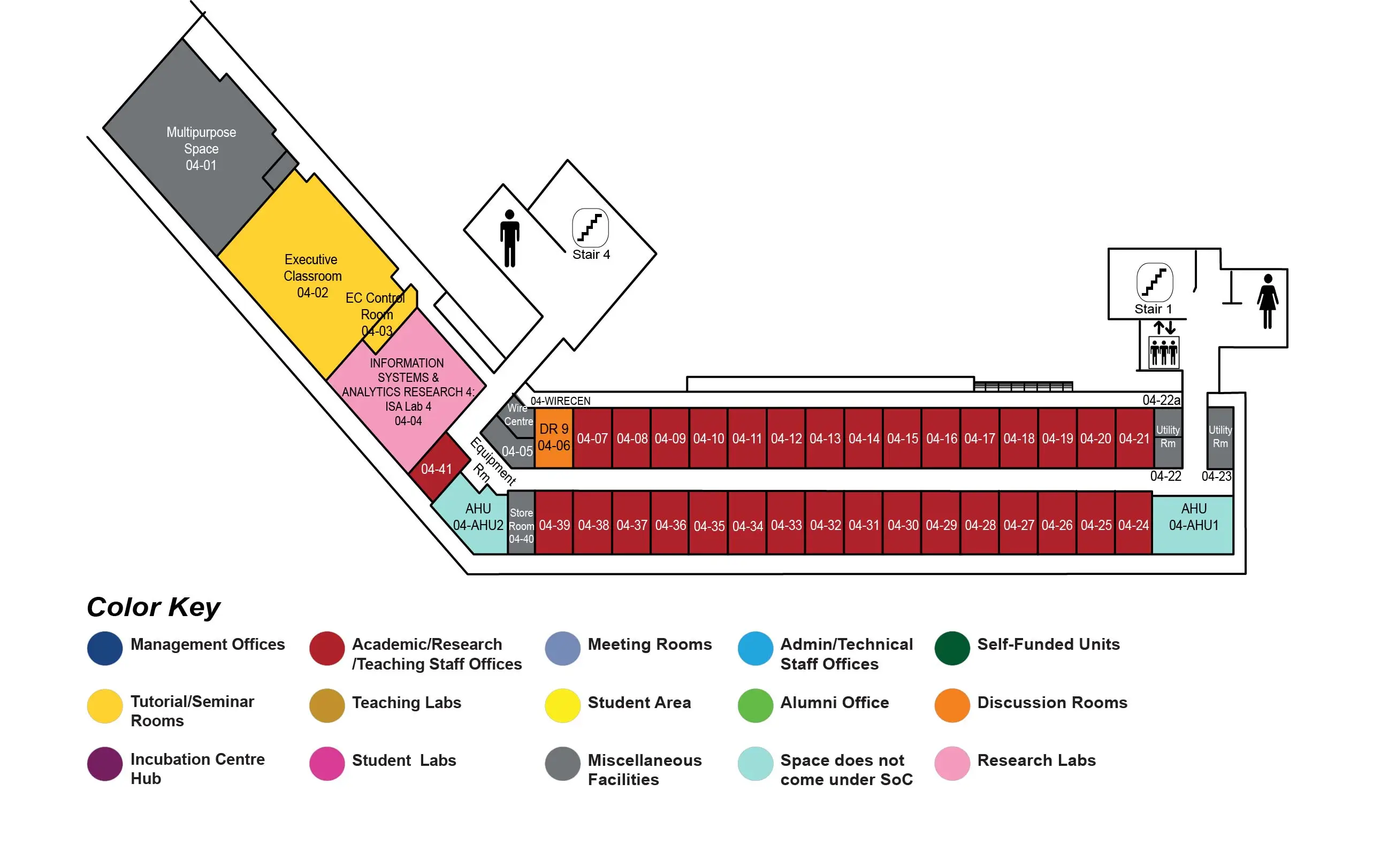
COM2 Level 4
Executive Classroom, COM2-04-02
Abstract:
Tracing is an essential tool for understanding and evaluating performance in systems, but what is a trace? Tracing is actually a highly overloaded term, and there are multiple different definitions of a trace. In this talk, we will discuss two different types of traces and recent research on how to more effectively utilize these tracing ideas. In the first part, we will present our work on distributed tracing where we show a new idea for tracking parent/child relationships that can improve critical path analysis. In the second part, we will look at working with arrival traces and how to scale the trace load to evaluate a test system at various loads. Come and see some simple and practical ideas for improving trace-based performance evaluation of systems.
Bio:
Timothy Zhu is an associate professor in computer science and engineering at Penn State. He received both his B.S. and Ph.D. in Computer Science from Carnegie Mellon University, where his research was on resource management in clouds. At Penn State, his systems research group is focused on the broad area of performance management in the context of cloud computing including topics such as performance debugging, resource management, designing efficient heterogeneous systems, sustainability, maintaining tail latency quality of service, performance evaluation, etc. Prior to starting his Ph.D., Timothy worked on kernel-mode device driver development for GPUs at NVIDIA, a leading visual computing technology company. He is the recipient of a National Science Foundation Graduate Research Fellowship Program fellowship, an NSF CAREER award, a EuroSys best student paper award for TetriSched, and a EuroSys runner-up paper award for TraceUpscaler.
Julia Cusatis is a 4th year PhD student in Computer Science and Engineering at Penn State working with Timothy Zhu. Her research focuses on using distributed tracing to automate performance analysis of request-based distributed systems. She is the recipient of a Penn State University Graduate Fellowship.