

Proof Assistant as Platform: Building the Next Generation of Verifiers
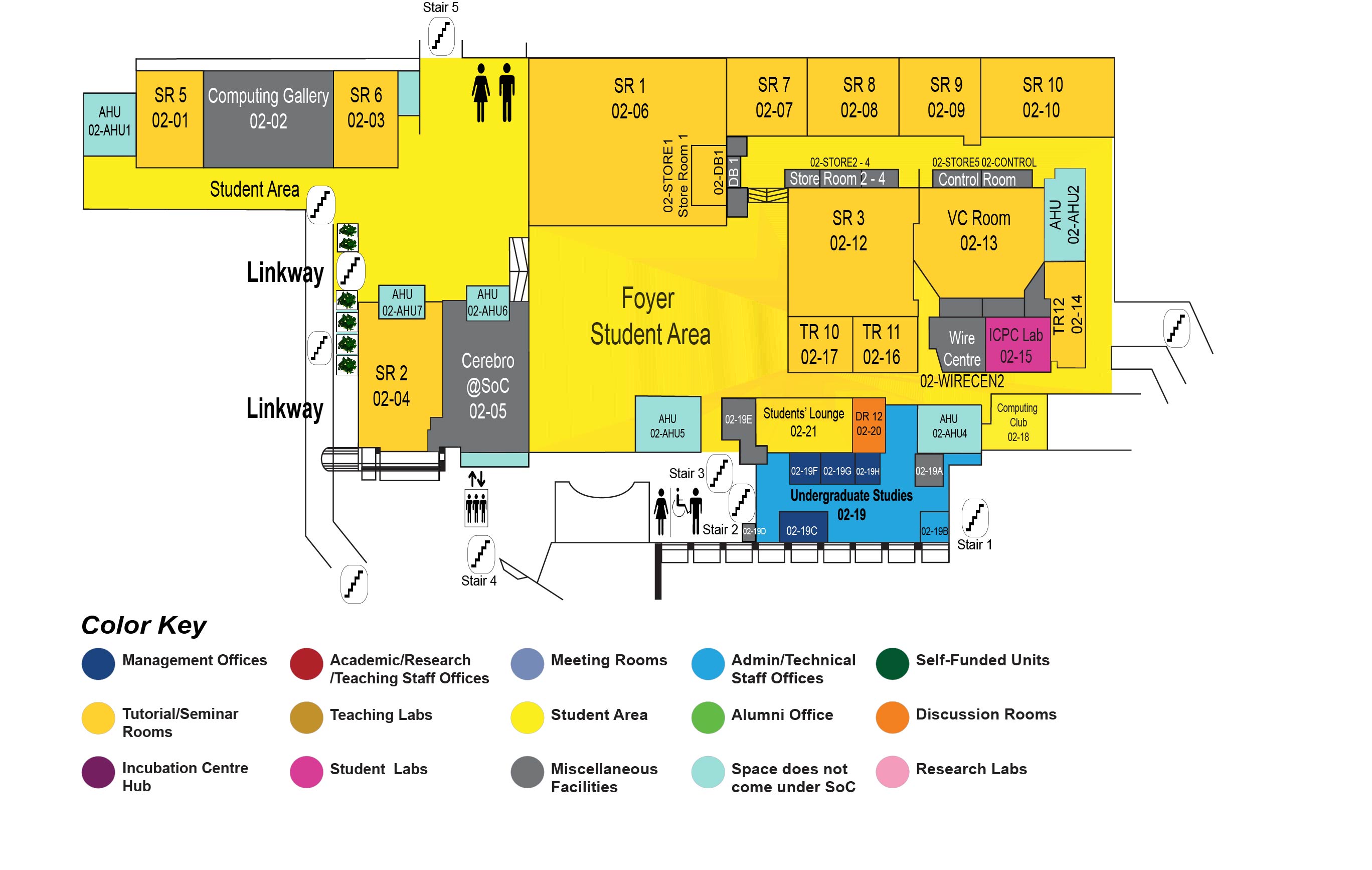
COM1 Level 2
Cerebro@SoC, COM1-02-05
Abstract:
Formal methods have a reputation for being difficult to apply and unfriendly to non-experts. This reputation is warranted, but it largely reflects accidental complexity in how verification tools are built, rather than being a fundamental limitation of formal reasoning itself.
We identify multi-modality—the ability to move fluidly between concrete and symbolic testing, push-button automation, and interactive proving—as a key enabler for practical formal methods. We argue that interactive proof assistants are the natural substrate for multi-modal verifiers, and advance the thesis that embedding verifiers into proof assistants reduces the cost, improves the user experience, and expands the scope of formal methods. Embedding lets us reuse the proof assistant's existing infrastructure for user interaction and grounds all verification modes in a common logical foundation, enabling multi-modality without introducing trust boundaries between modes.
We demonstrate the thesis by presenting Veil, a foundational multi-modal verifier for distributed protocols, entirely embedded in the Lean proof assistant. Veil combines explicit-state model checking, bounded symbolic model checking, automated proofs via SMT, and interactive proofs using Lean tactics in a single unified framework, letting users employ the full spectrum of verification techniques in a single tool, without having to rewrite their specification.
By embedding in Lean, Veil benefits from Lean's IDE integration and minimal trusted computing base. We describe Veil's architecture as a reusable blueprint for future embedded verifiers, featuring a manager component which coordinates the discharging of verification conditions, and report on the lessons learned in building a usable, efficient, and maintainable verification tool.
Veil shows that automation, foundational guarantees, and practical usability are not fundamentally in tension. The modern proof assistant—treated as a platform for building tools, not merely a kernel for checking proofs—is the natural home for the next generation of verifiers.