

The Earnings and Creative Effects of Generative AI in Creative Work
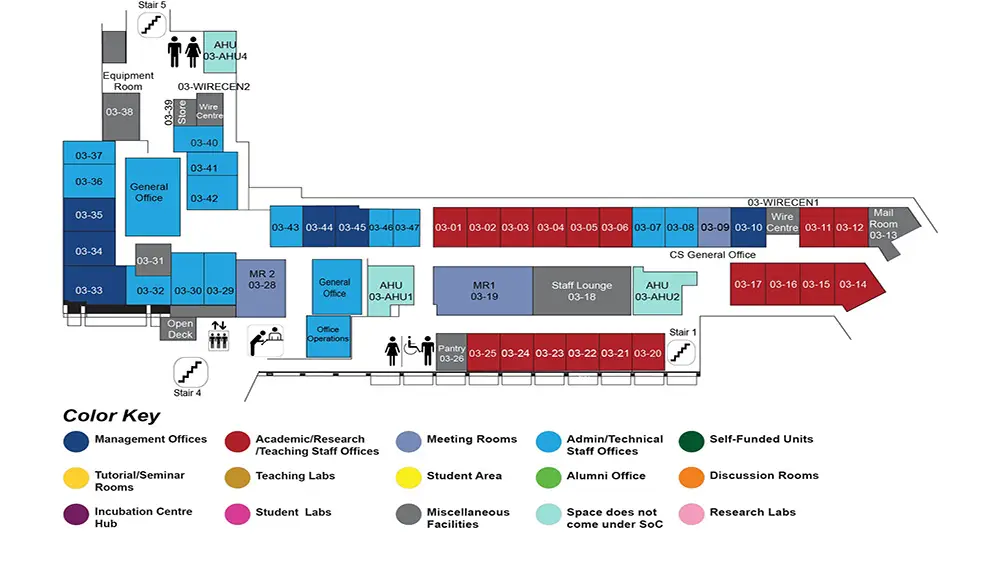
COM1 Level 3
MR1, COM1-03-19
Abstract:
The rapid evolution of generative artificial intelligence (GAI) has significantly reshaped creative work. Yet two important research gaps remain: (1) we still know little about how human-AI co-creation (HAICC) affects freelancer earnings in online marketplaces, and (2) there is limited empirical evidence on how task characteristics shape GAI’s effects on human creativity in raw idea generation for new product development (NPD). To address these gaps, this dissertation presents two empirical studies examining the earnings effects (Study 1) and creative effects (Study 2) of GAI in creative work.
Study 1 investigates the earnings outcomes resulting from creative freelancers’ shift to HAICC in freelance service marketplaces. Using data from a leading freelancer platform where creative freelancers staggered their shift to providing HAICC services, we employ the difference-in-differences identification method. Our findings reveal that the transition to HAICC led to an increase of $71.3 (32.1%) in monthly earnings. Furthermore, the HAICC shift is associated with improvements in vertical product attributes, with an 8.6% greater proportion of high-complexity creative work. Effects on horizontal product attributes are more nuanced: the proportions of creative work with high novelty and high emotion elicitation increased by 7.1% and 11.2%, respectively, while aesthetics showed no statistically significant improvement. The HAICC-induced earnings increase is moderated by how freelancers position their expertise in service descriptions. Greater language specificity in descriptions of domain expertise is associated with a larger earnings increase, while language specificity in descriptions of AI expertise exhibits an inverted U-shaped moderating effect. This study extends the literature on GAI’s economic effects and provides actionable insights into service positioning.
Study 2 examines how combination atypicality and abstractness moderate GAI’s creativity-enhancing effects in NPD. We conducted a pre-registered between-subjects experiment where participants designed toys by combining two given concepts with varying levels of combination atypicality and abstractness, either independently or with GAI assistance. GAI significantly enhances creativity overall, with more salient improvements for highly atypical or highly abstract combinations. Compared to the low combination atypicality (abstractness) condition, the high combination atypicality (abstractness) condition exhibits an additional 3.2% (3.3%) increase in creativity from GAI assistance. These moderating effects are primarily attributed to improvements in idea appropriateness (3.9%) for combination atypicality and idea novelty (5.0%) for combination abstractness. These disproportionate gains stem from creativity in substance rather than language-induced creativity. The greatest gains in highly atypical or abstract combinations are observed among participants who adapt and refine GAI-generated ideas and possess higher GAI literacy. Mechanism analysis reveals that GAI disproportionately helps less-creative participants deal with the complexities of highly atypical combinations and aids participants in exploring more unique concepts in highly abstract combinations. This study advances the understanding of GAI’s theoretical roles and practical implications for creativity enhancement in NPD.
Collectively, the two studies contribute to the literature on the earnings and creative effects of GAI and offer actionable implications for creative freelancers, product designers, and firms.