

Hardware-Conscious System Design for Efficient Data-Center Computing
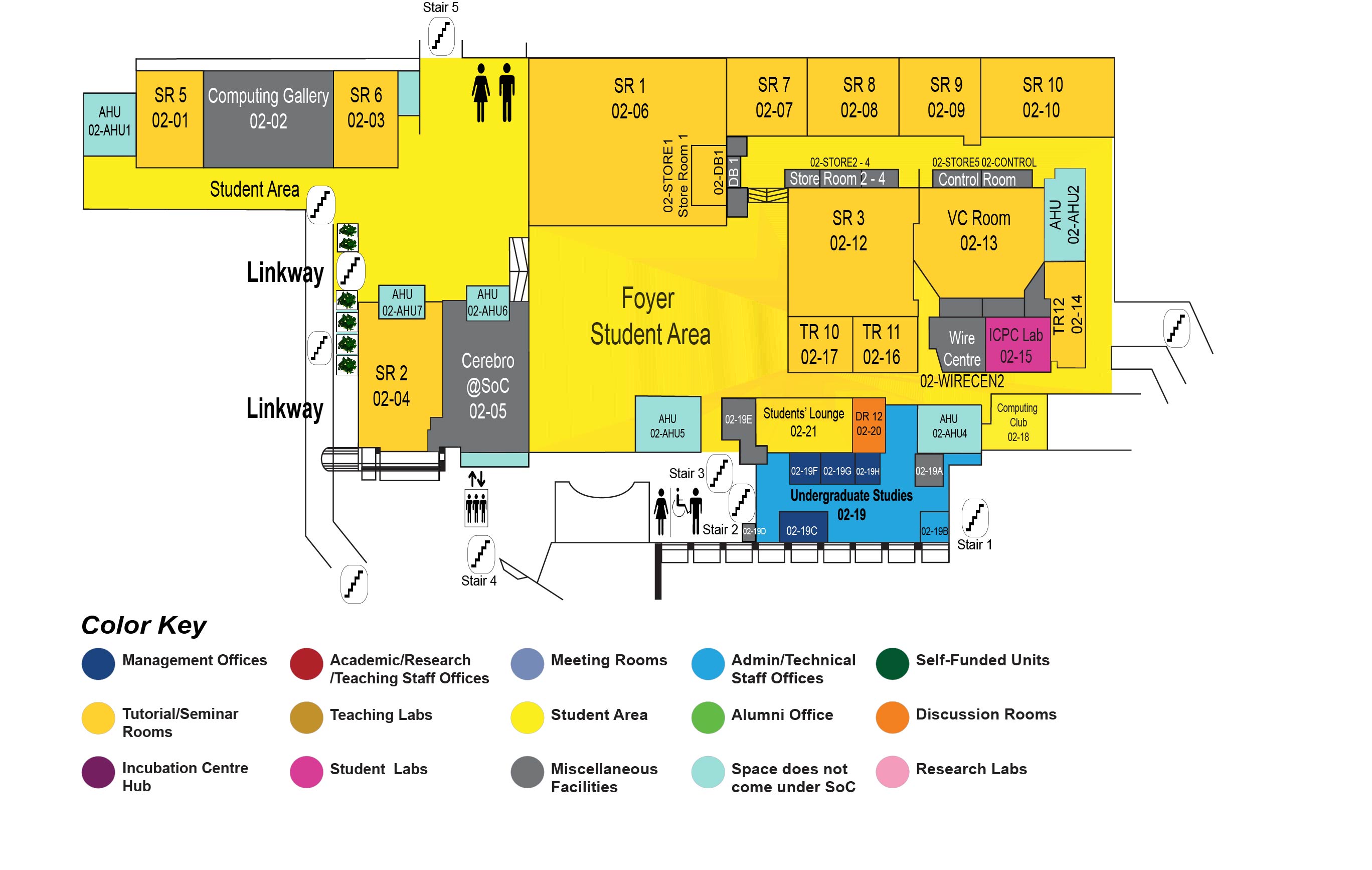
COM1 Level 2
SR9, COM1-02-09
Abstract:
Modern data-center systems face a fundamental challenge in handling ever-increasing network traffic while operating under the power and efficiency constraints of the post-Moore era. Traditional data-center systems, designed for general-purpose CPUs in the free lunch era, introduce significant overheads for microsecond-scale networked workloads in modern data centers. Furthermore, these systems are built atop conventional operating systems whose abstractions hide hardware capabilities behind hardware-oblivious interfaces, limiting developers' ability to optimize performance at the hardware level. To meet the demands of emerging network applications, recent systems increasingly incorporate new CPU features and specialized hardware into hardware-conscious designs that improve performance under resource and energy constraints.
This thesis presents three systems, Cygnus, NutCracker, and WHISKER, that demonstrate the benefits of hardware-conscious system design for data-center computing from the perspectives of operating systems, compilers, and placement optimizers. First, Cygnus enables low-overhead datapath control by exposing hardware support for memory protection and interrupt delivery through a protected library OS. Second, NutCracker improves hybrid DPU programmability by exposing heterogeneous DPU resources through principled compiler abstractions. Finally, WHISKER optimizes whole-application placement across heterogeneous data-center hardware by exposing implementation and placement choices through a unified optimization model.
Collectively, these three systems provide a realization of hardware-conscious data-center system design that balances performance, programmability, and placement optimization. This work demonstrates that data-center systems can improve performance and efficiency without sacrificing programmability or protection by exposing hardware capabilities at the right level of abstraction, thereby providing a new perspective on hardware-conscious system design in the post-Moore era.