

Transforming Commodity Cameras into Accessible Tools for Trustworthy Provenance in Physical and Digital Artifacts
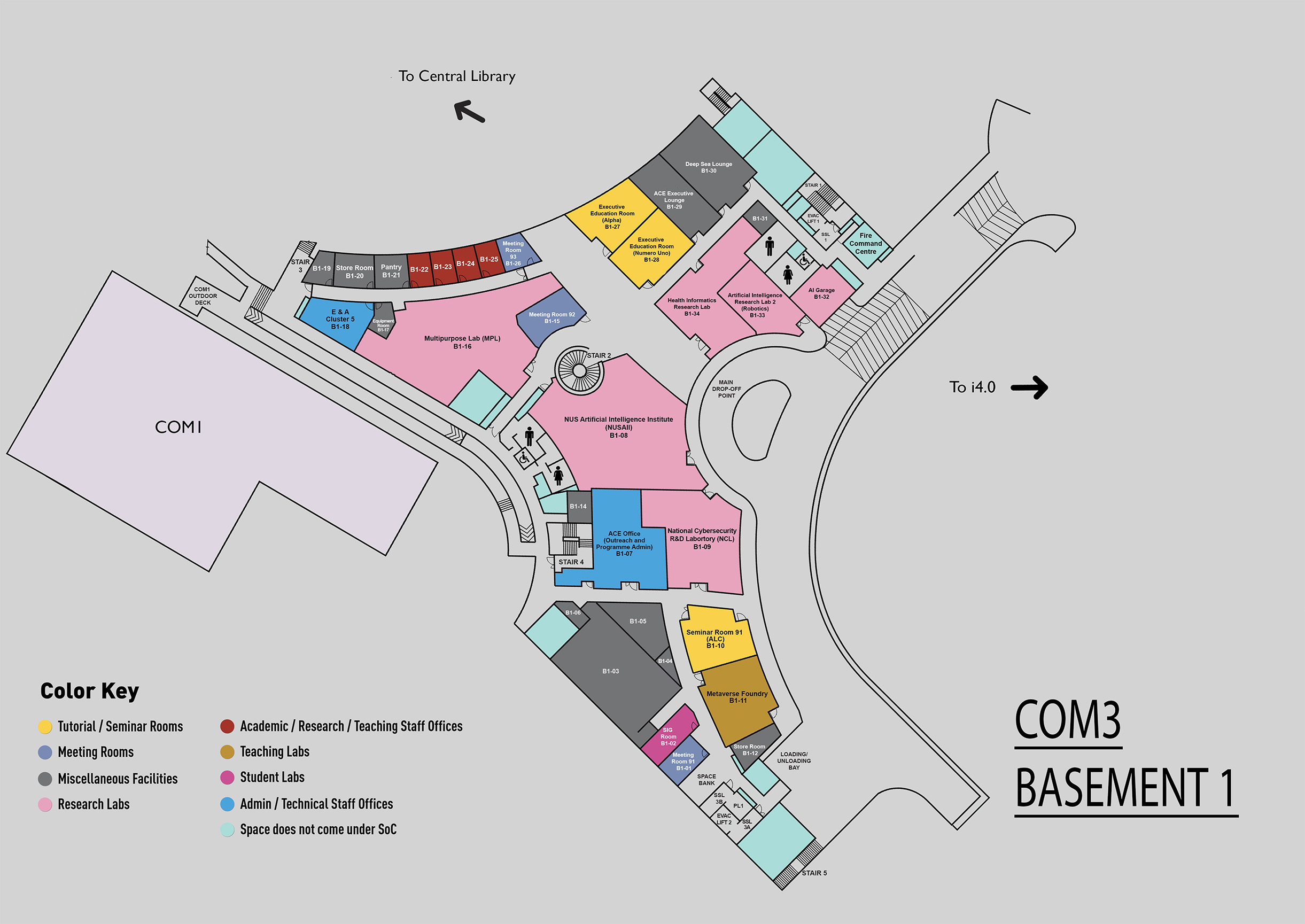
COM3 Basement
MR92, COM3 B1-15
Abstract:
Commodity cameras embedded in everyday devices are typically treated as tools for visual recording, yet they also capture latent physical and device-level signals that can serve as evidence about an artifact’s origin, authenticity, and transformation history. This thesis advances the goal of trustworthy and accessible provenance by developing a physics-guided methodology – which we term Visible Physics – that interprets visual data as measurements of underlying physical phenomena. The core insight is that observable dynamics in images and videos (e.g., motion, scattering patterns, sensor noise) are correlated with intrinsic properties of materials and imaging hardware, and can be exploited as difficult-to-fake evidence that remains informative when appearance and metadata are unreliable. By integrating physical principles with learning-based inference, this thesis repurposes commodity cameras into practical sensing instruments for provenance verification in both the physical and digital worlds.
We instantiate this methodology in three representative systems. First, LiquidHash leverages fluid dynamics to authenticate liquid products by analyzing air-bubble behavior in sealed containers, achieving up to 95% accuracy in detecting counterfeit liquid foods. Second, FilterOp uses optical principles to estimate the filtration efficiency of masks and air filters from smartphone-captured light absorption and scattering, producing filtration estimates with a mean absolute error of 2.7% compared to certified laboratory equipment. Third, CAMPrints advances digital provenance by exploiting device-specific sensor fingerprints rooted in electrical imperfections of image sensors; using learning-based extraction of these signatures, it attributes images to their source cameras under common post-processing and achieves an AUC of 0.92, outperforming prior forensic approaches.
Overall, this thesis demonstrates that physics-guided evidence extraction can make provenance verification more robust and more widely accessible, enabling everyday devices to support authentication, quality assessment, and media attribution. By framing camera-based sensing as the recovery of intrinsic, difficult-to-fake evidence, Visible Physics provides a foundation for future work on hybrid provenance that combines physical evidence with forensic and digital provenance mechanisms.