

Technologies For Emotion Regulation: Towards A Unifying Mind-Body Interaction Framework
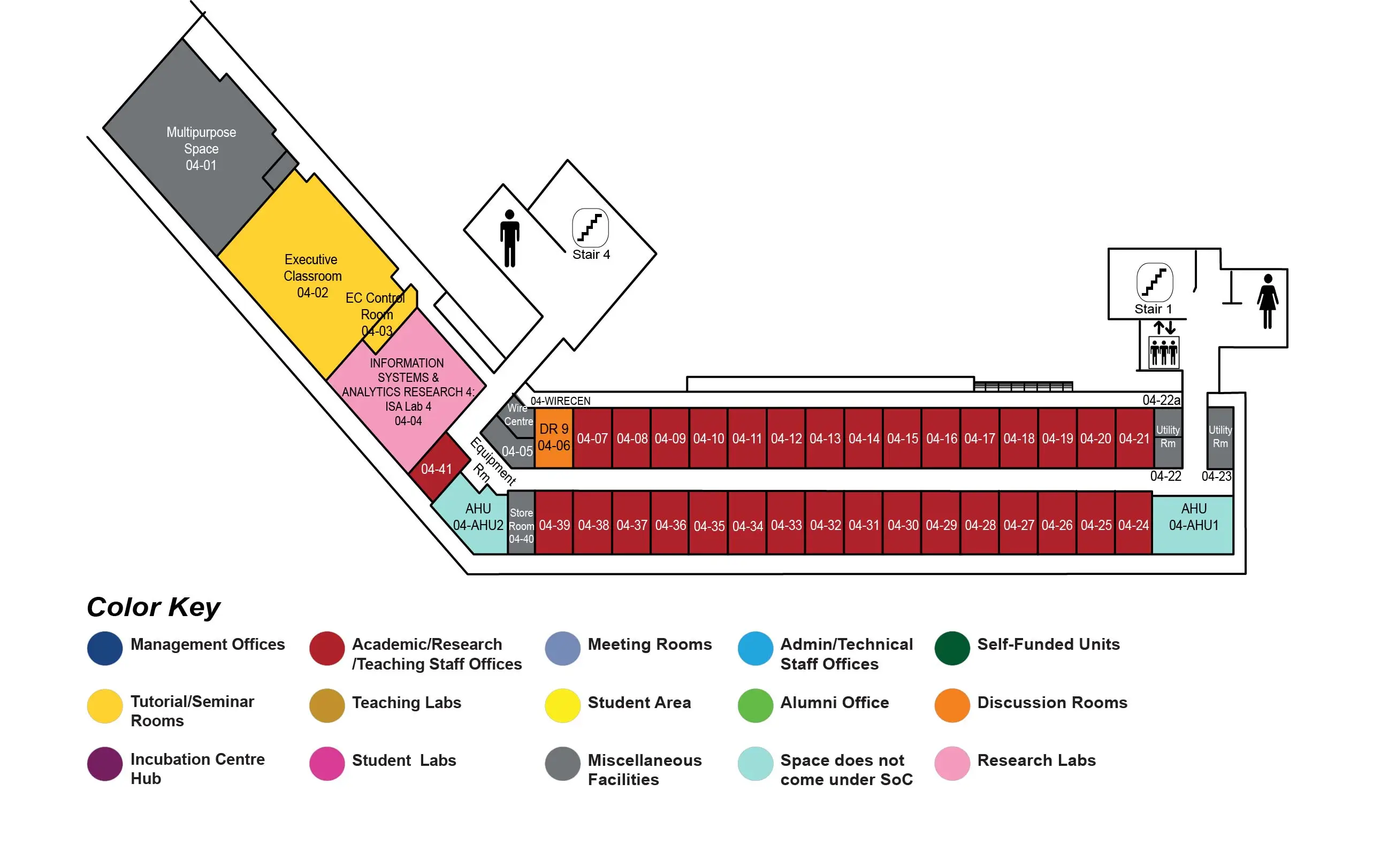
COM2 Level 4
Executive Classroom, COM2-04-02
Abstract:
Emotion regulation profoundly impacts both physical and mental health, making effective training interventions potentially life-changing.
This thesis investigates emotion regulation technologies through the dual pathways of cognitive (mind) and somatic (body) processes, addressing critical gaps in current literature.
Grounded in the Theory of Constructed Emotion (TCE), which positions emotional granularity as fundamental to emotional competence, we first assessed the state of emotional granularity in the general population. Analysis of 700,000 emotion-related tweets revealed that most individuals describe their emotional states vaguely, typically using generic terms like "good'' or "bad.'' Since low emotional granularity has been shown to correlate with poorer mental health outcomes, our findings highlight a need for targeted interventions. Motivated by this, we focused on designing an intervention that helps users experience distinct, granular emotions. Adopting a mind-to-body (cognitive) approach based on the TCE principles, we designed a chatbot that employs granular affect labeling. A longitudinal field study suggests that granular affect labeling expands active emotion vocabulary and improves emotion regulation ability, even without providing explicit guidance on emotion regulation.
While successful, the cognitive approach showed limited capacity to enhance bodily awareness—a critical component in developing new emotional concepts. We then explored the body-to-mind (somatic) pathway by exploring the potentials of GutI/O interfaces on sensing emotions and influencing gastric interoception. We found that a 20-second bowel sound segment can predict above chance level whether an emotional event takes place and can also be used as a means to influence users' perceptions of gastric activities, which in turn influences their emotions.
Finally, using gut-based audio-haptic stimuli, we show, for the first time, the possibility of influencing gastric interoceptive behaviors through noninvasive means, opening up a new space for technological intervention targeting health-related issues. Reflecting on the experience designing interventions for emotion regulation, this thesis proposed a unifying mind-body interaction framework for emotion regulation. This framework provides a roadmap for future researchers to systematically consider design factors when developing emotion regulation technologies.
As a whole, the findings from this thesis expand our understanding of how emotions can be influenced through different pathways and offer practical guidelines to design technologies that enhance users' emotion regulation ability.