

Power, Norms, & Radical Humility: Towards Artistic Support Tools
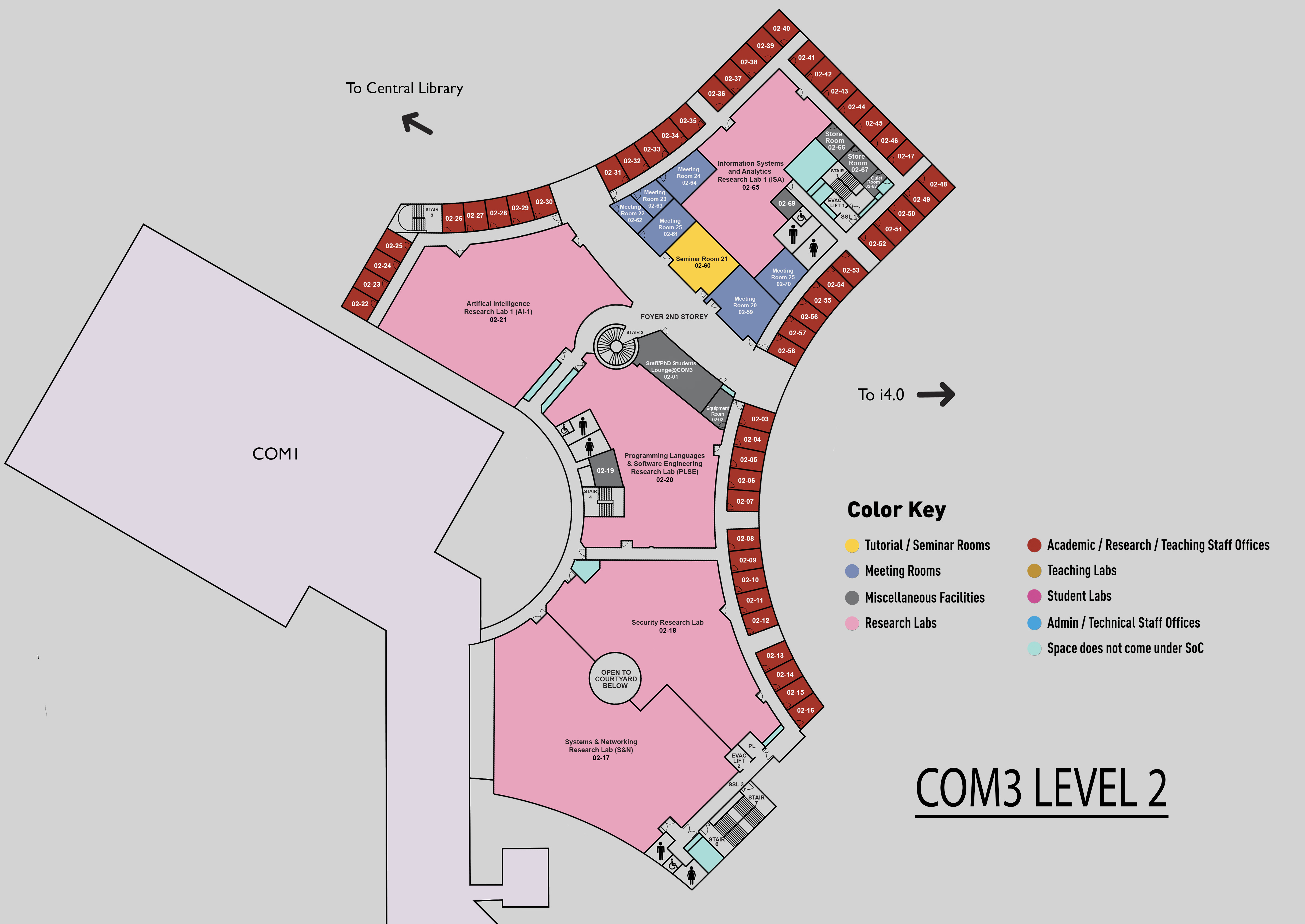
COM3 Level 2
SR21, COM3 02-60
Hybrid Mode: Please join via Zoom. The Zoom details are provided below.
https://nus-sg.zoom.us/j/86814564092?pwd=xtfQ5AjnJ8MFbq9Rj6dmQ8N8tg5CcI.1
Abstract:
As generative AI increasingly cheapens and sloppifies creative artifacts, I argue that creativity support tool (CST) researchers are turning more towards supporting creative processes rather than artifact creation. I'll talk about three projects in this theme: (1) a generative theory of how power relationships affect CSTs (UIST 23), (2) ArtKrit, a CST for digital disciplined drawing (UIST 25), and (3) a longitudinal group evaluation of ArtKrit that shows how CST evaluations can be opportunities for meaningful artistic engagement, rather than just collecting likert metrics (DIS 26). As CST researchers and developers, we may reduce the power gap between us and our users by setting norms and developing tools that are "radically humble." I conclude with a vision for "artistic support tools", blurring the boundaries between developers-and-users and researchers-and-artists.
Biodata:
Jingyi Li is an assistant professor of computer science at Pomona College, where they direct the primarily undergraduate Doodle Lab. Their research in understanding and building creativity support tools pushes how tools can be designed towards more equitable power dynamics. Recently, Jingyi has been working on "artistic support tools", which are tools for supporting artistic goals and as art practice.