

Deep Learning Methods for Nanopore Signal Processing: Accurate Real-Time Segmentation and DNA Methylation Detection in Sparse Regimes
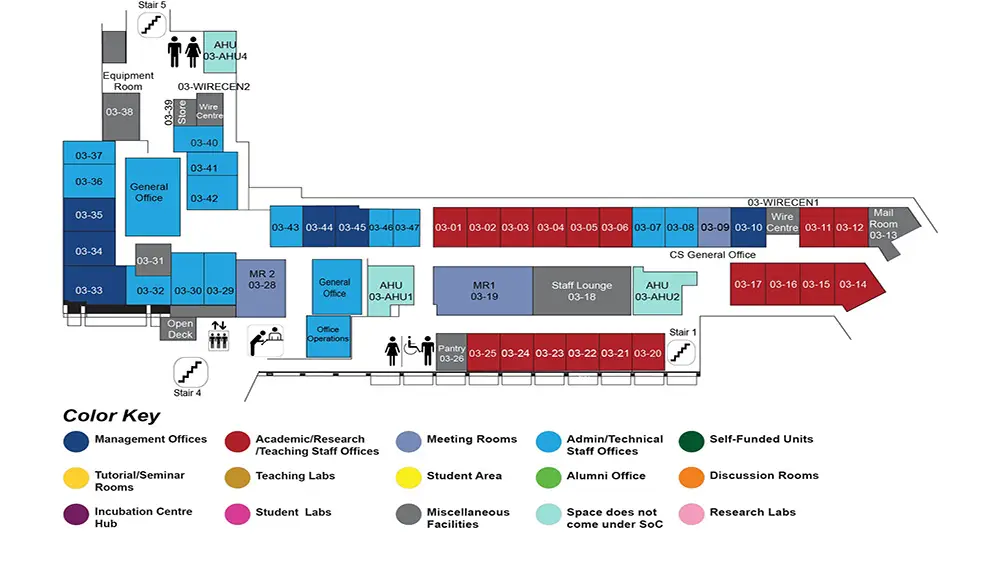
COM1 Level 3
MR1, COM1-03-19
Abstract:
Nanopore sequencing is a cutting-edge technology that enables real-time analysis of nucleic acids by measuring fluctuations in electrical current caused by the molecule's translocation through the nanopore. The information-rich signal at the output of the sequencing device captures not only the canonical nucleotide sequence but also modifications, such as methylations and DNA damage. Despite this potential, current real-time analysis pipelines and methylation detection frameworks often fail to fully exploit the core assumptions of nanopore sequencing and the potential to process raw signal data directly. This thesis investigates deep learning advancements to two fundamental aspects of processing raw nanopore signals for downstream analysis: the direct and accurate segmentation of raw nanopore signals for real-time processing, and the accurate detection of DNA methylations in data-sparse regimes. We introduce a convolutional framework capable of segmenting raw nanopore signals both rapidly and accurately, unlocking new opportunities for real-time downstream applications. To complement this, we present a novel and comprehensive segmentation evaluation pipeline, tailored specifically to the unique characteristics of nanopore signals, to assess segmentation quality rigorously. In parallel, we investigate the problem of detecting DNA methylations in sparse data regimes without the need for extensive sequencing overcompensation. We propose a multi-stage transfer learning strategy that exploits the abundance of methylation data in prevalent contexts and leverages the assumption that methylations induce stable, detectable shifts in the signal distribution. The proposed framework enables unified and accurate detection of 5-methylcytosine while respecting naturally occurring data sparsity.