

Building Components of Human-robot Interaction on the iCub Humanoid Robot
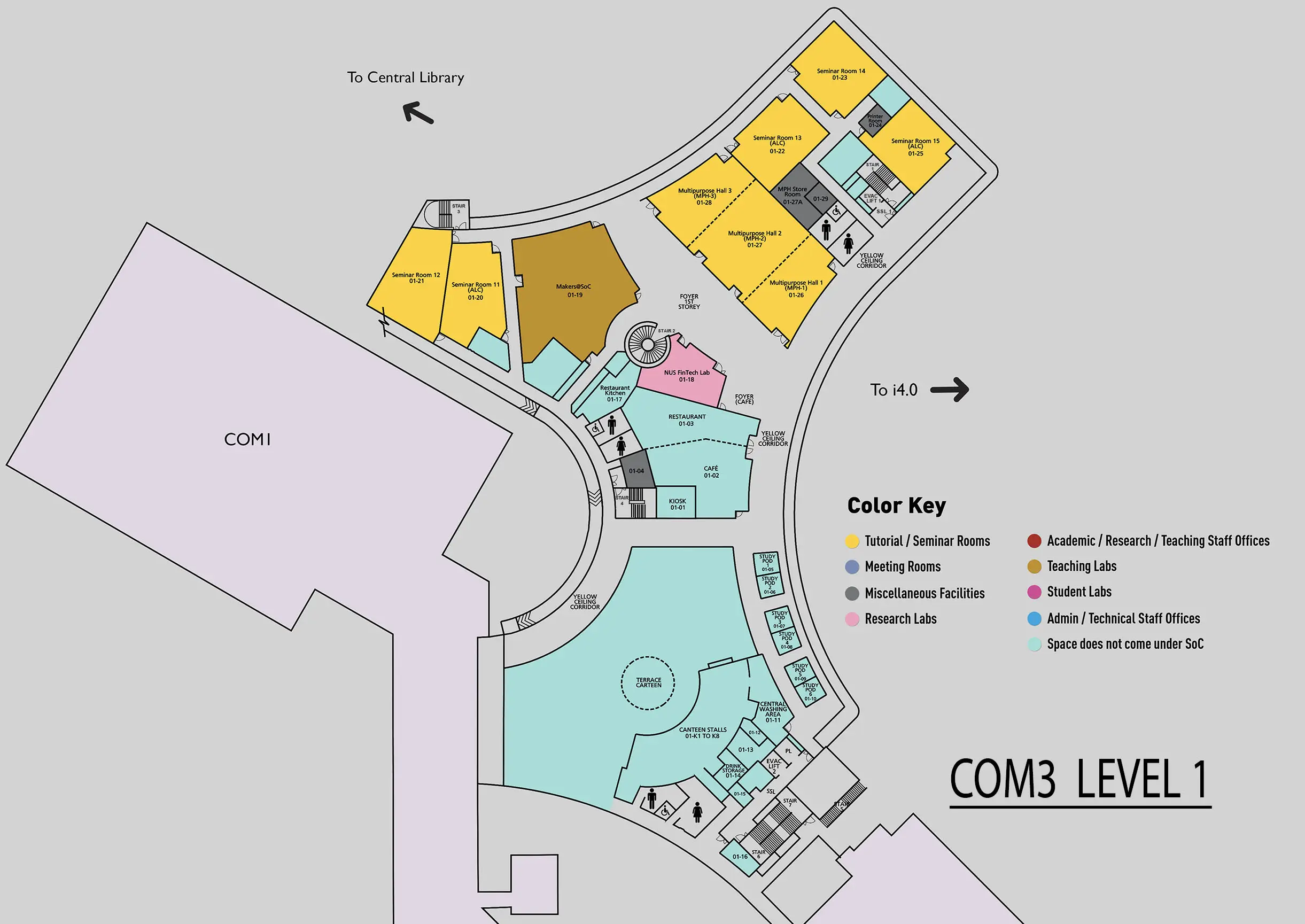
COM3 Level 1
SR12, COM3 01-21
ABSTRACT:
Human-robot collaboration is a challenging task that requires developing artificial perceptual skills to interpret human behaviors and exquisite timing to react seamlessly to such behaviors. One of the main goals of human-robot collaboration is to achieve a shared understanding of the task and the environment, as well as a mutual adaptation of behaviors and goals. In this talk, I will present two aspects of human-robot collaboration that can be generically understood as the “social” and the “physical” domain of interaction. All experiments are carried out on the iCub humanoid robot, a platform that offers rich perceptual and motor capabilities. In the social domain, I describe experiments that aim to understand how humans interactants interpret the behavior of the iCub in well-defined and controllable scenarios. On the other hand, in the physical domain, we develop direct sensing of human movements to integrate them in the iCub controllers.
BIO:
Giorgio Metta is Scientific Director of the Italian Institute of Technology (IIT) and a prominent researcher in humanoid robotics and embodied AI. He received his MSc and PhD in electrical engineering from the University of Genoa and completed postdoctoral research at MIT. Over his career, he has held academic appointments in Italy and the UK, contributed to European and Italian AI and robotics strategy, and led numerous international research initiatives. His research focuses on bioinspired systems and robots that learn from experience, and he has authored more than 300 scientific publications. He is widely recognized for coordinating the development of the iCub humanoid robot, one of the world’s most influential research platforms for embodied AI, now used in laboratories across Europe, Asia, and the US.