

Economics of platform-developed seller/producer-side AI tools
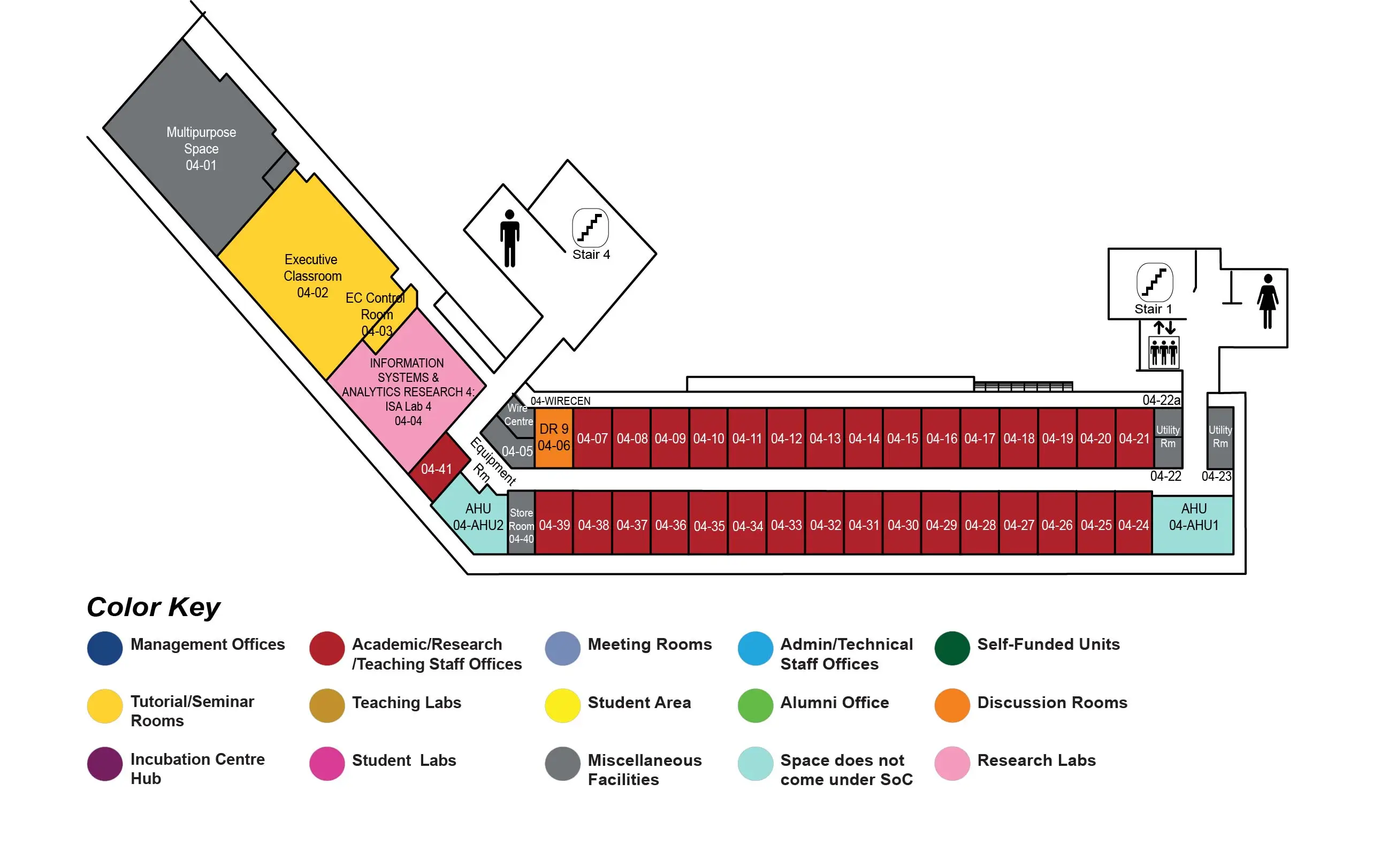
COM2 Level 4
Executive Classroom, COM2-04-02
Abstract:
Digital platforms are increasingly developing AI-driven tools to assist sellers/producers in enhancing their marketing tasks, known as platform-developed seller/producer-side AI tools. While much research has focused on buyer/consumer-side AI tools, little attention has been given to the unique challenges posed by seller/producer-side AI tools. Two critical factors remain understudied: (1) the perceived principal-agent trade-offs between sellers/producers and platform-developed AI agents, and (2) the unclear impact of supply-side changes triggered by AI tools on buyer/consumer-side economic outcomes. To address these research gaps, this thesis presents two empirical studies in two unique contexts: AI pricing agents on e-commerce platforms (Study I) and AI-generated video metadata on short-video platforms (Study II).
Study I focuses on sellers’ decisions to adopt AI price recommendations and the subsequent effects on product-level revenues. Previous studies on the factors that influence human adoption of AI recommendations have not considered the principal-agent trade-offs between humans and AI agents. Leveraging a unique product-level dataset from a leading e-commerce platform (ECP) in Asia, we show that variables associated with sellers’ perceptions of goal incongruence and information asymmetry are inversely related to their adoption of AI price recommendations. Furthermore, we find that sellers’ knowledge of how AI works aggravates these negative relationships. Interestingly, our findings reveal that implementing AI price recommendations boosts sellers’ revenue from ECPs by 2.5%.
Study II focuses on the effect of AI-generated titles on video viewership on short-video platforms. The value of AI-generated metadata, which is instrumental in user-content matching on user-generated content platforms, has not been examined in prior literature. Using a large-scale field experiment involving approximately one million producers, the study shows that AI-generated metadata can improve video viewership, particularly for groups that are more affected by metadata sparsity. For videos with existing titles, however, AI-generated titles led to lower viewership, indicating lower quality compared to human-generated titles. When producers significantly revised and enriched the AI-generated titles, these human-revised AI-generated titles outperformed both fully AI-generated and human-generated titles, highlighting the benefits of human-AI collaboration.
Taken together, this thesis makes both theoretical and practical contributions. Theoretically, it shifts attention from buyer/consumer-side AI tools to platform-developed seller/producer-side AI tools, thereby advancing the literature on AI recommendation adoption, agency theory, platform operations, and the economics of generative AI. Practically, this thesis helps inform how platforms can design seller/producer-side AI tools in ways that better align with users’ interests and support human-AI collaboration.