

Digital Transformation under Geopolitical Uncertainty
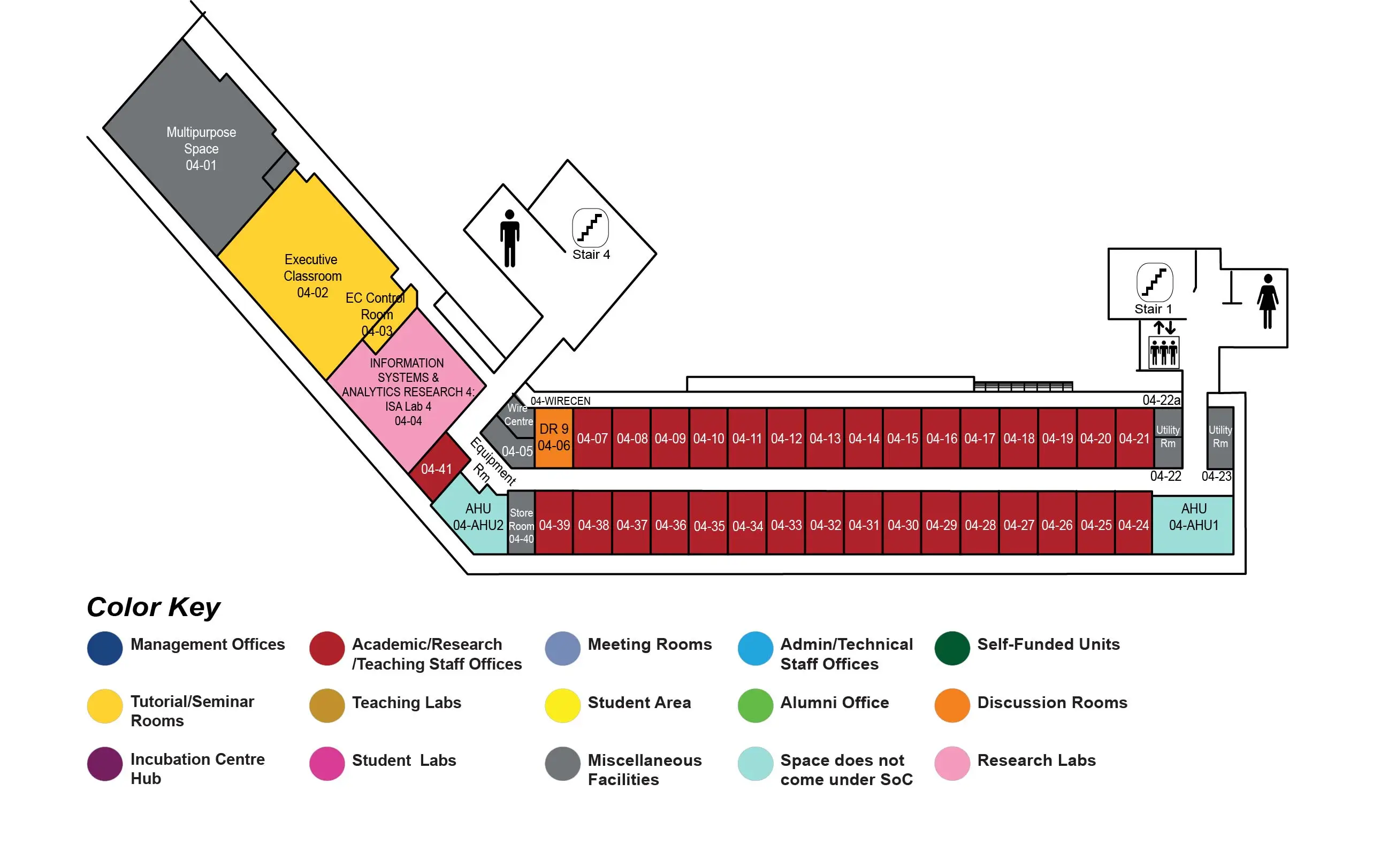
COM2 Level 4
Executive Classroom, COM2-04-02
Abstract:
We investigate whether and how firms leverage digital transformation to build resilience against geopolitical uncertainty. Situating the research in the context of the 2018–2019 U.S.-China trade war, we employ a difference-in-differences design leveraging historical foreign-trade infrastructure to identify trade-sensitive provinces where Chinese firms operate. We measure digital transformation using a new BERT-based machine learning approach that captures concrete action statements in firms' annual reports. Our findings demonstrate that increasing geopolitical uncertainty of trade war significantly accelerates digital transformation of Chinese firms. This strategic move addresses trade war-induced disruptions through three mechanisms: expanding domestic market access, improving demand forecasting accuracy, and facilitating autonomous innovation development. Interestingly, we find that provincial "technocrats" amplify this response of firms while internal managers with technical expertise merely play a negligible role in driving digital transformation, highlighting the importance of institutional leadership against geopolitical uncertainty. Taken together, this research shifts the focus from performance impacts in past digital transformation research and shows geopolitical uncertainty as a critical antecedent of digital transformation. It also unveils the underlying mechanisms and the driving force of digital transformation under geopolitical uncertainty.
Bio:
John Dong is Associate Professor and Assistant Dean at Nanyang Business School, Nanyang Technological University. His research interests are at the intersection of information systems and strategic management, with a focus on AI strategy and digital transformation. His work appears in premier journals such as Information Systems Research, MIS Quarterly, Strategic Management Journal, and Journal of Marketing. He is a two-time winner of the AIS awards (Early Career Award in 2020 and Mid-Career Award in 2023), and his research has received more than 10000 citations according to Google Scholar. Currently, he serves as an associate editor for Information Systems Research and as a senior editor for Journal of the AIS. He was a former associate editor for MIS Quarterly (2021-2024), which named him "Outstanding Associate Editor" in 2022.