

It is easier than ever for novices to create web apps that build upon LLM APIs
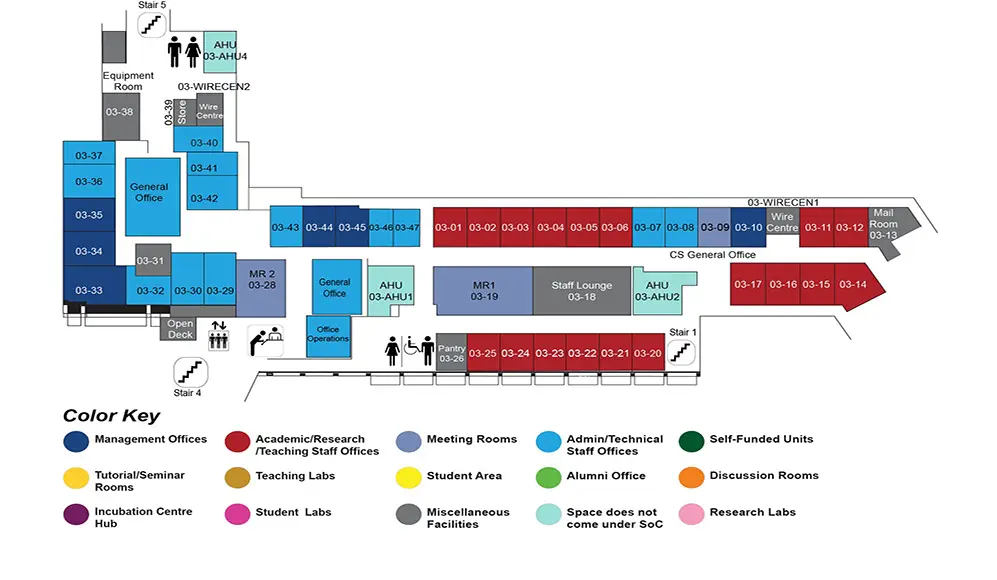
COM1 Level 3
MR1, COM1-03-19
Abstract:
Two years ago I gave a talk entitled “How students can creatively use chatbots to create simulations, games, and much more” (events.comp.nus.edu.sg/view/21997). Last summer Anthropic posted “Build and share AI-powered apps with Claude” (claude.com/blog/claude-powered-artifacts). Anyone can chat with Claude and ask it to create an app that uses its API without requiring an API key. Google’s Gemini introduced something similar that also provides access to search, image generation, tool use, and more.
In the six months since these capabilities were deployed I’ve created over 25 apps without writing a line of code or relying upon my AI expertise. These range from an open-ended adventure game, a wordless story generator, a sketch to animation generator, a computational thinking playground, and a hybrid creature guessing game. The full list is at tinyurl.com/ai-powered-apps.
Bio:
Ken Kahn has been interested in AI, creativity, and education for 50 years. His 1977 paper “Three Interactions between AI and Education” In E. Elcock and D. Michie, editors, Machine Intelligence 8: Machine Representations of Knowledge may be among the first publications on the topic. He received his doctorate from the MIT AI Lab in 1979. He designed and implemented ToonTalk, a programming language for children that looks and feels like a video game. He has developed a large collection of AI programming resources for school students. He retired from the University of Oxford as a Senior Researcher.
His book The Learner’s Apprentice: AI and the Amplification of Human Creativity presents a vision of how school students can use LLMs to create apps and much more.
Ken will be visiting Computing in January and February and welcomes visitors who wish to talk about AI, creativity, “vibe coding”, and education.