

Not So Timely: Screen-On Push Notifications and User Engagement
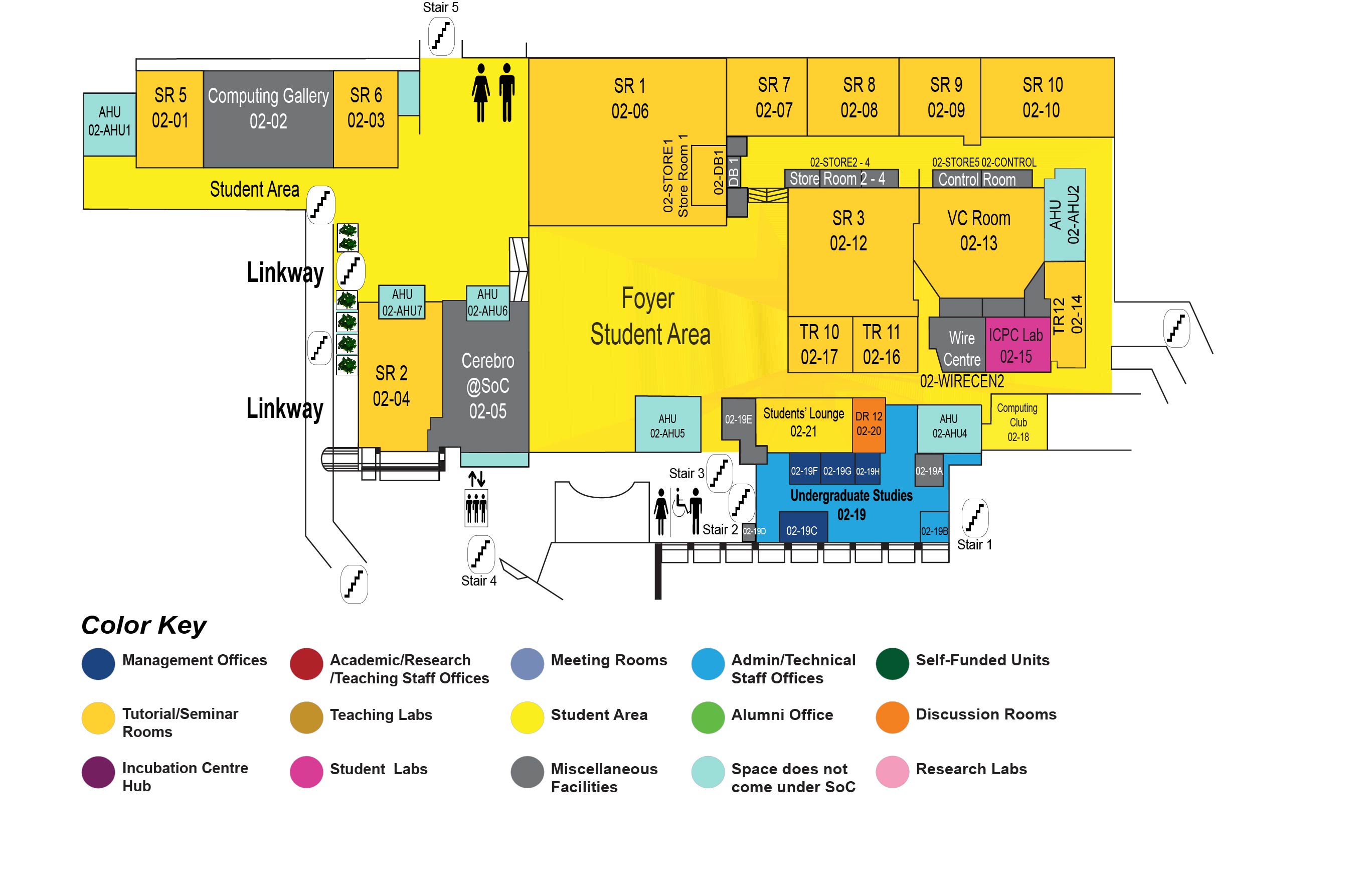
COM1 Level 2
SR2, COM1-02-04
Abstract:
We study how micro-level timing of push notifications affects user engagement. Industry practice assumes that delivering messages at screen-on moments—when users are actively using devices—maximizes effectiveness for mobile applications. Using large-scale data from a leading push notification platform in China, we exploit a natural experiment where a server-side "listening window" mechanism generates quasi-random variation in whether a push is delivered instantly at screen-on. Our regression discontinuity design shows that screen-on push counterintuitively reduces same-day user logins in the sending app. To explain this puzzle, we estimate the causal, non-linear effect of delivery lag by instrumenting latency with whether the user's nearest screen-on signal occurs just after versus just before the listening window opens within a narrow time bandwidth, which mechanically shifts delay. Our results reveal an inverted-U relationship: modest delays (about 1-10 minutes) increase engagement relative to near-instant delivery (0-1 minute), whereas longer delays underperform. The findings suggest that hyper-precise timing can backfire in advertising: attention capture requires carefully calibrating for interruption costs, not just minimizing delay.
Bio:
Zemin (Zachary) Zhong is an Associate Professor of Marketing at the Rotman School of Management, University of Toronto. During the 2025-26 academic year, he is serving as a Visiting Associate Professor at The City University of Hong Kong. His research focuses on digital marketing, covering topics such as LLM-based AI shopping assistants, algorithmic targeting, platform search and recommendation systems, and consumer behavioral phenomena like limited attention. Methodologically, Professor Zhong combines applied theory with natural and field experiments and modern causal-inference approaches, often collaborating with industry leaders such as Alibaba and Ctrip. His work has earned him multiple Rotman Teaching Awards, and he currently serves as an Associate Editor for Marketing Science.