

Post-Moore Datacenters are Hot Beyond Belief
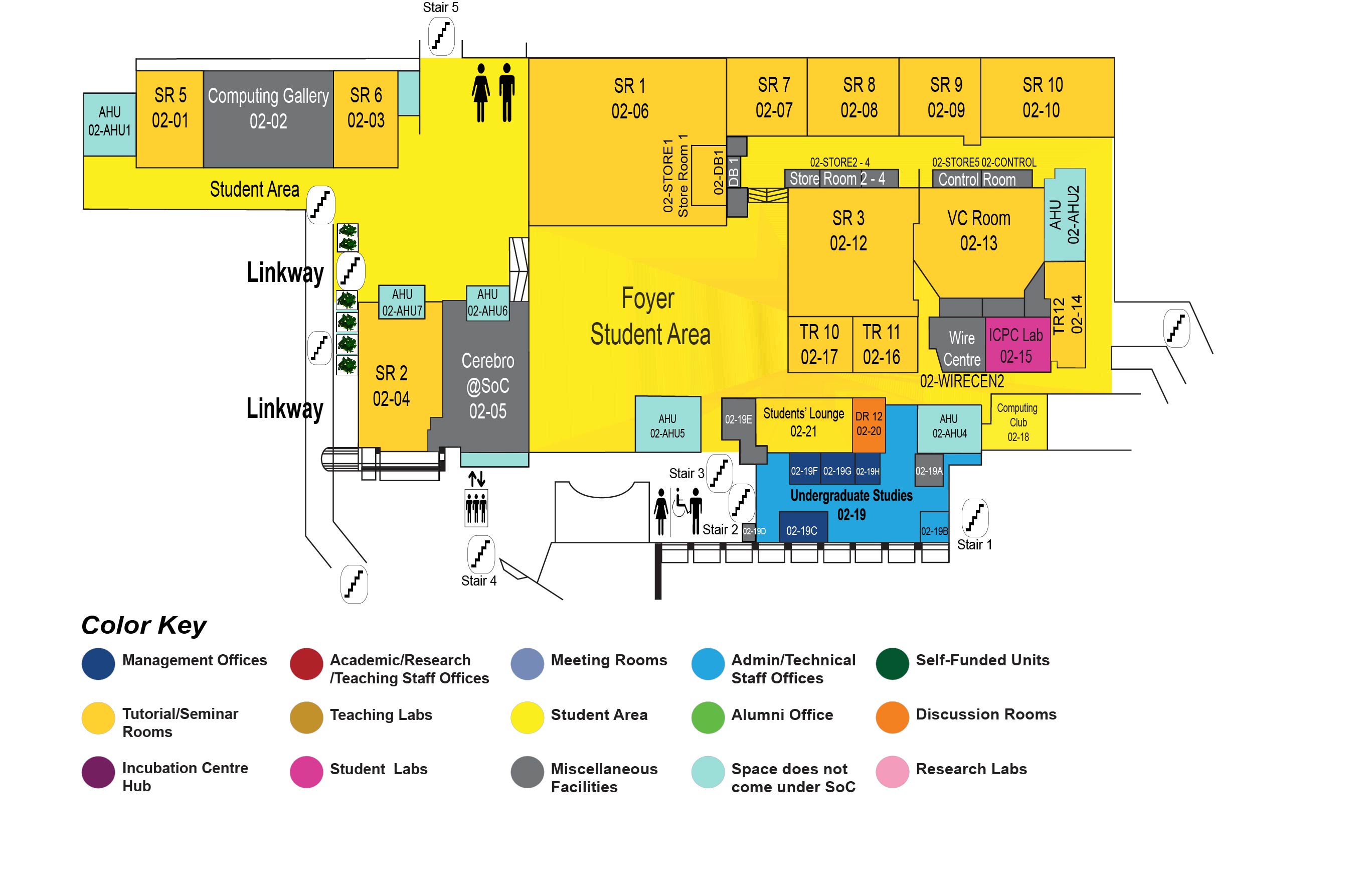
COM1 Level 2
Cerebro@SoC, COM1-02-05

Abstract:
Datacenters are the pillars of a digital economy and modern-day global IT services. The building blocks for today’s datacenters are cost-effective volume servers that find their roots in the basic hardware and OS organization of the desktops of 90s with a fundamental mismatch with workloads and services. Meanwhile, there are several technological trends (e.g., slowdown in Moore’s Law), application trends (e.g., rapid adoption of AI) and societal challenges (e.g., climate impact of computing) that require innovation in datacenter design from algorithms to housing infrastructure. Post-Moore datacenters are hot because of both their trajectory to consume (and dissipate) unprecedented levels of energy and the many hot research avenues to pursue for an infrastructure whose building blocks belongs to the 90s. In this talk, I will motivate and go over these research avenues.
Bio:
Babak Falsafi is a Professor of Computer and Communication Sciences and founder of EcoCloud at EPFL. He is also the founding president of Swiss Datacenter Efficiency Association, promoting best practices in sustainable datacenter operation with quantifiable energy efficiency and emissions using online calculators and a label. His contributions to computer systems include the first NUMA multiprocessors built by Sun Microsystems (WildFire/WildCat), memory streaming technologies (temporal and spatial) in IBM BlueGene and ARM cores, and performance evaluation methodologies that have been in use by AMD, HP and Google PerfKit. His work on cloud-native CPU design laid the foundation for Cavium’s first generation of ARM server CPUs, ThunderX. He is a recipient of an Alfred P. Sloan Research Fellowship, and a fellow of ACM and IEEE.