

Two Essays On The Use Of Information Technology In Natural Disaster Responses
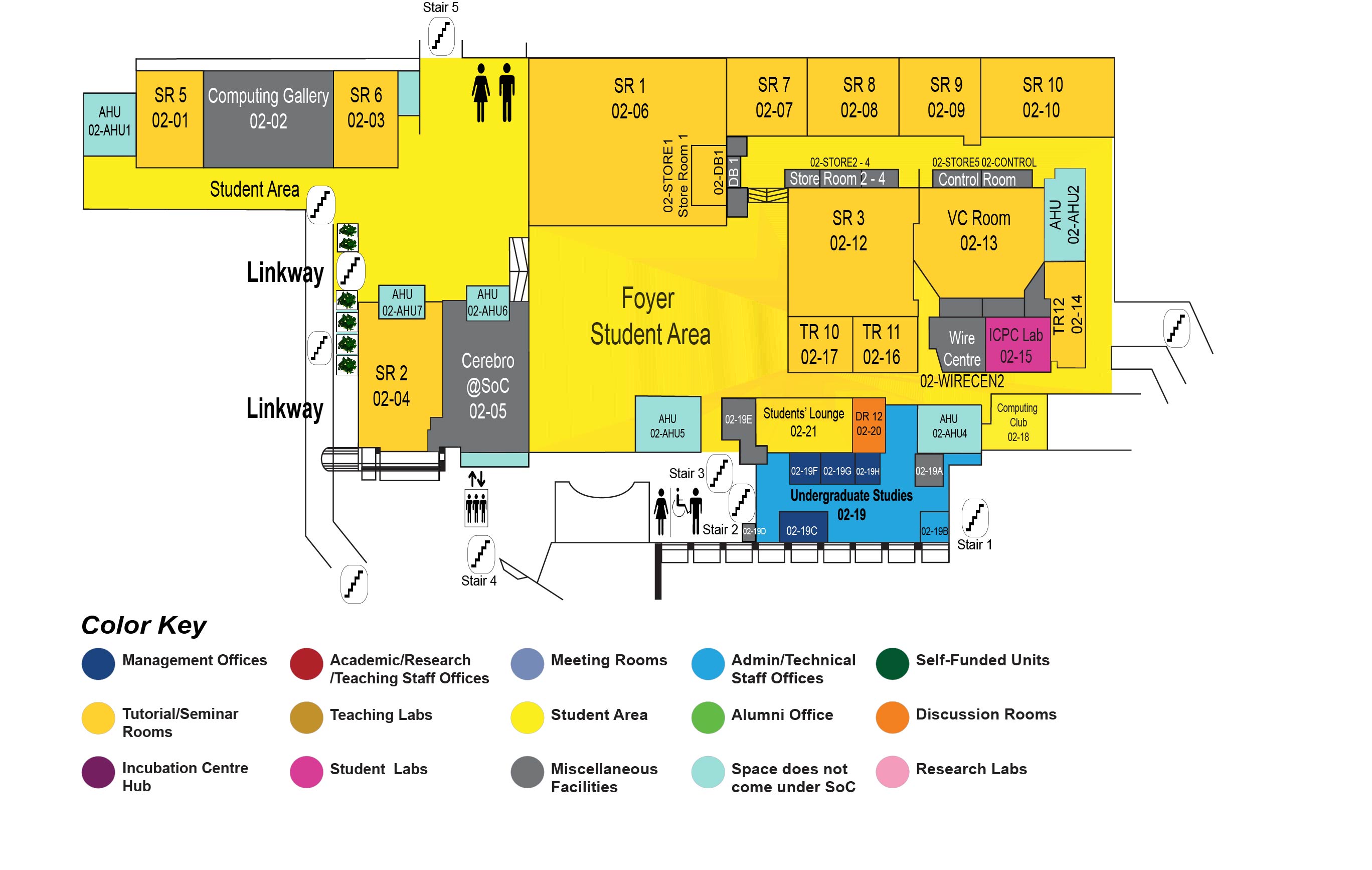
COM1 Level 2
SR3, COM1-02-12
Abstract:
At the forefront of natural disaster response efforts are dedicated disaster responders (DRs) dispatched by affiliated disaster response organizations (DROs). To mitigate the disaster’s impact, Information Technology (IT) applications play a crucial role in supporting responders’ operations. However, our understanding of IT application use in disaster response remains limited, especially in non-standard contexts. Much existing theoretical discussion focuses on formal, well-defined organizational settings. Yet, disaster response situations involve temporary assemblies of people with dynamically determined task demands. Under such ephemeral conditions, we lack insight into which IT applications responders use and how they leverage technology. To bridge this gap, we conducted two studies, which are documented in this thesis. Our research unveils how disaster responders in a Southeast Asia disaster-prone country utilize IT applications during response missions. By pushing the boundaries of our understanding, we shed light on IT use in this dynamic context. The disaster response environment exemplifies a non-stable setting in which responders are provisionally assembled, and their task demands are situationally dictated.
The first study takes the purview of emergent adaptation that surfaced from our qualitative analysis as we focus on the collaborative effort among responders. Such collaborative effort is instrumental to the mission in terms of acquiring and sharing disaster-related information for effective responses. Our on-ground study reveals that attempts to champion the use of a unified form of IT application proposed by a leading organization or a pre-developed application co-created by several organizations to facilitate smooth information flow have been unsuccessful. The reason for this unfolds as we inductively unearth two adaptation behaviors among responders, namely swift IT use and shared IT use, which we broadly term IT situated adaptation. Our findings suggest that disaster responders render IT situated adaptation in response to task and relational dynamics. Responders engage with the recognition of available digital options, performance of certain types of response, and flexibility of capabilities in delivering their IT use adaptation actions.
The second study extends the role theory from the context-embedded structure within which disaster responders are situated to perform actions toward life-saving and life-sustaining tasks for disaster-affected people. Our theoretical root is that dispatched by their affiliated DROs to serve the temporary organization of disaster response mission, the disaster responders’ expected behavior encompasses role tasks that would seamlessly fulfill expectations from both the transient disaster response structure and their DROs. Our findings suggest that disaster responders’ role perception of their role expectations is not always equal; such perception of role directly affects how they use organizational IT applications. Elaborately, we observed that the role perception can be summarized based on the relative influence of the deployment location (on-site or off-site) and assigned activities (core or support). Depending on the relative influence of the two, we inductively derived three consequential behaviors: abandoning organizational IT, engaging in organizational IT workaround, and sustaining the use of organizational IT. These behaviors are consistent across responders with respect to the deployment location and assigned activities.