

Hardware-Software Co-Design for Accelerating Graph Processing and GNNs: From Edge to Cloud
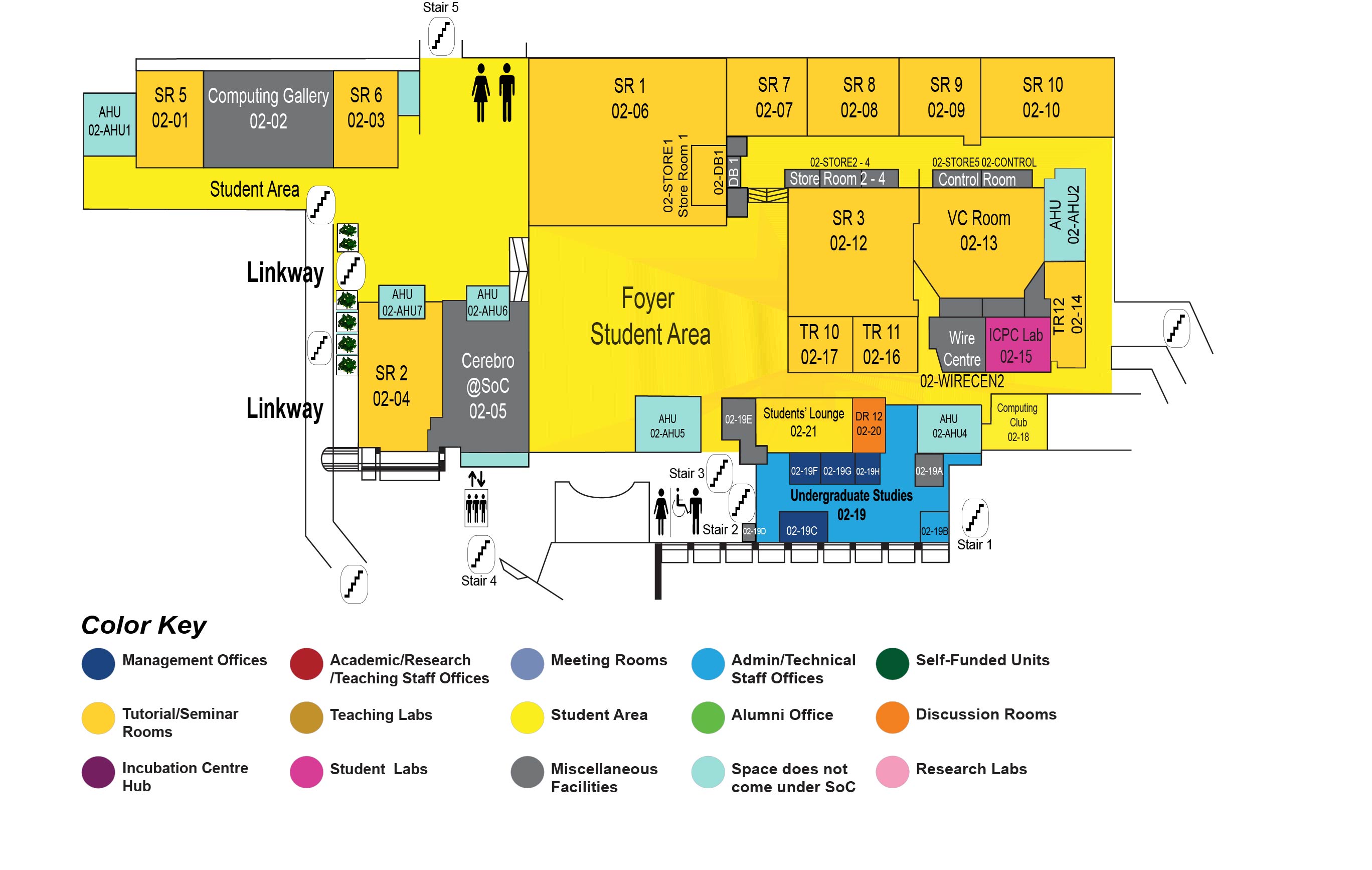
COM1 Level 2
Cerebro, COM1-02-05
Abstract:
This thesis focuses on transforming the execution paradigms of graph workloads through hardware–software co-design and algorithmic innovations. Graph applications are characterized by irregular memory access and sparse computation, which limit the efficiency of traditional processors across diverse deployment scenarios from edge to cloud. By rethinking how graph computations are performed and scheduled, this work proposes new architectures and execution models that enhance both performance and energy efficiency across the computing spectrum.
Three key systems are developed to realize this vision. Flip enables efficient graph acceleration on low-power coarse-grained reconfigurable arrays by adopting a data-driven execution model suitable for irregular graph workloads at the edge. InkStream introduces an event-based incremental update mechanism for dynamic graph neural network inference, significantly reducing redundant computation for real-time performance in the cloud. Hopii presents a unified hop-centric programming model and accelerator architecture for both homogeneous and heterogeneous GNNs. Together, these works form a cohesive framework that advances efficient, scalable, and adaptive graph computing through hardware–software co-design.