

Advancing HTTP Adaptive Streaming for 2D and Immersive Media Delivery
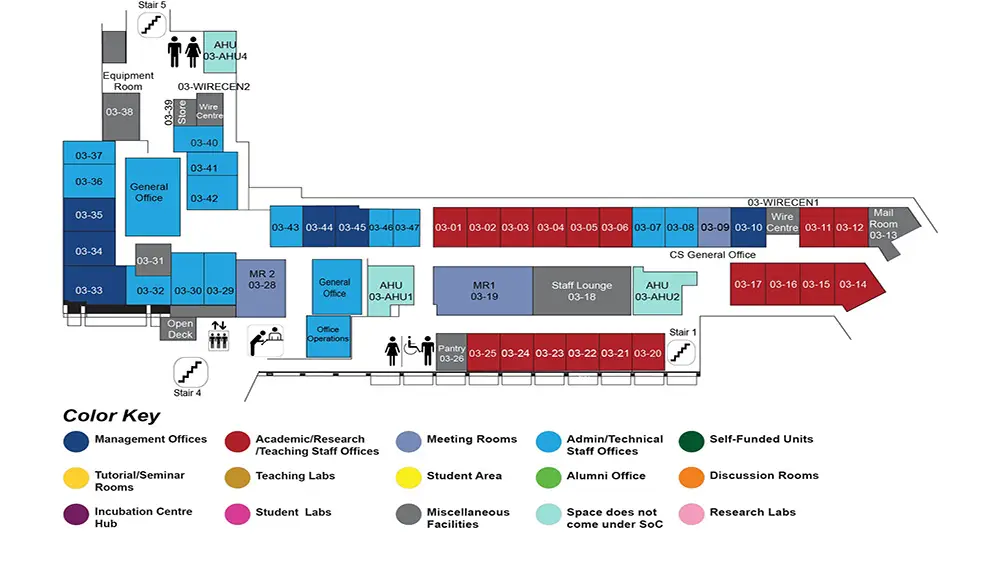
COM1 Level 3
MR1, COM1-03-19
Abstract:
HTTP Adaptive Streaming (HAS) has been widely adopted for delivering 2D video in Video-on-Demand (VoD) scenarios, but its traditional design presents challenges when applied to emerging use cases like live streaming and six degrees-of-freedom (6DoF) video. This thesis advances HAS by addressing these limitations and proposing novel solutions that target these scenarios. We decompose the HAS workflow into five key components and, by focusing on subsets of these components, we demonstrate how solutions can effectively improve streaming outcomes. First, we introduce a low-latency HAS client optimized for live 2D video streaming, using rate adaptation and other player enhancements to ensure minimal latency while balancing other relevant performance metrics. Next, we propose and validate HAS systems that integrate client-server collaboration through data-sharing in their streaming strategies to improve streaming outcomes for both VoD and live streaming clients. Finally, we extend HAS to 6DoF video, where users can freely navigate within a volumetric scene, by proposing a web-based platform that improves the interoperability and reach of VR applications. To achieve efficient delivery of data-intensive content in 6DoF videos, we also integrate rate adaptation and viewport prediction strategies to optimize bandwidth usage. In addition to theoretical and algorithmic contributions, this thesis includes the design and implementation of standards-compliant, fully functional systems that support real-world experimentation and demonstrate the feasibility of the proposed approaches. Our experimental results demonstrate improvements in performance metrics such as reduced latency, quality improvements, and reduced rebuffering. The findings of this thesis contribute to the evolution of adaptive streaming methodologies, enabling the effective delivery of live 2D video and immersive 6DoF content over HTTP.