

Building a Clinically Translatable Cancer Treatment Recommendation System: Learning in Data-Scarce Settings
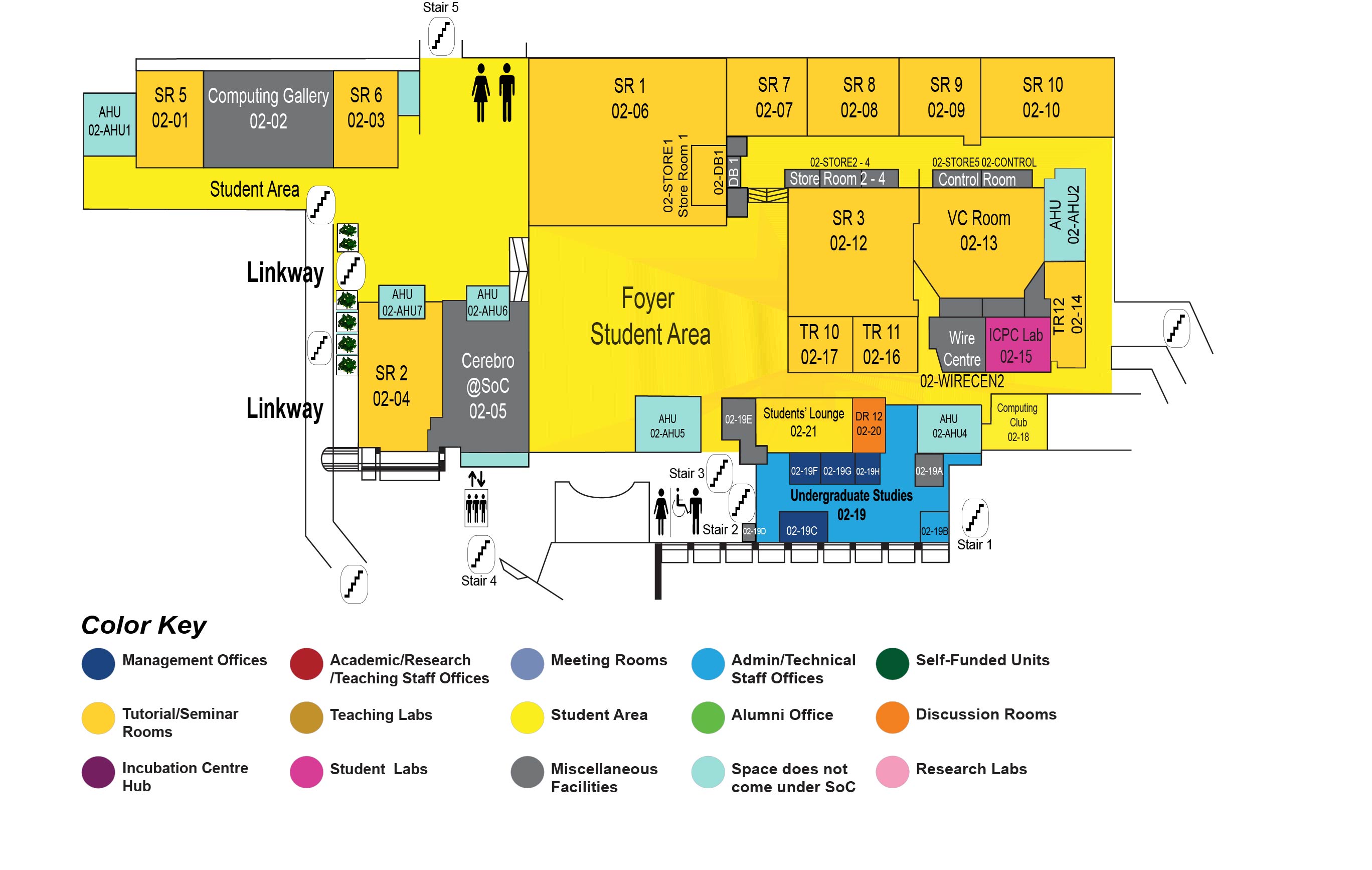
COM1 Level 2
SR7, COM1-02-07
Abstract:
Cancer, one of the leading causes of deaths worldwide, manifests heterogeneously across patients in the form of alterations (mutations) within genes in the human genome. The resulting variation in treatment responses necessitates personalized treatment strategies based on patient genomic profiles, instead of a “one-size-fits-all” approach. While clinical trials largely examine associations between individual mutations and drugs, the large combinatorial space of mutations makes it practically intractable to run such trials on patients exhibiting multiple mutations. Machine learning (ML) methods offer a promising direction to identify drug responses in such patients with multiple mutations. However, patients in clinics are often prescribed a small subset of drugs as per clinical guidelines, resulting in limited labelled patient samples with measured drug responses. This limited availability of labelled patient data poses a significant challenge in using supervised ML methods for predicting drug response from patient genomic profiles.
Prior methods have addressed this data scarcity by utilising transfer learning, on data from cancer cells studied in labs (“cell lines”). Cell lines are studied outside the human body, and differ from patients both in the distribution of the input mutations as well as in the measurement of treatment response. Prior methods have not addressed these differences adequately. Further, they utilise data indicative of gene activity, which is largely unavailable in clinical settings, making their clinical translation difficult. Mutation data, from clinics, is sparse, high dimensional and varies in length across patients. In this thesis, we propose three different methods to address the limitations of previous methods, while paving the way towards clinical translation. In the first method, we handle data sparsity through zero-inflated distributions and tackle the differences across patients and cell lines via multi-task learning. In the second method, we additionally utilise auxiliary patient information and model the varying length nature of mutations. The third method introduces a genomic data augmentation approach to address the data scarcity problem, by generating more “patient-like” samples. These methods advance the state of the art in drug response prediction (DRP) literature.
The last part of this thesis describes the lessons learned in deploying DRP models in a clinical setting. In collaboration with oncologists and bioinformaticians, we identify key components and evidence considered by clinicians in the treatment decision making process. We describe the design and deployment of the user interface of such a DRP model-powered treatment recommendation system, currently deployed as part of a clinical trial at the National University Hospital, Singapore. We specifically elaborate on the system architecture, design considerations and nature of supporting evidence presented on the user interface, identified based on iterative feedback from oncologists. This thesis thus paves the way towards building clinically translatable cancer treatment recommendation systems.