

Network Effects in Action: Essays on the Dynamics of Platform Ecosystem
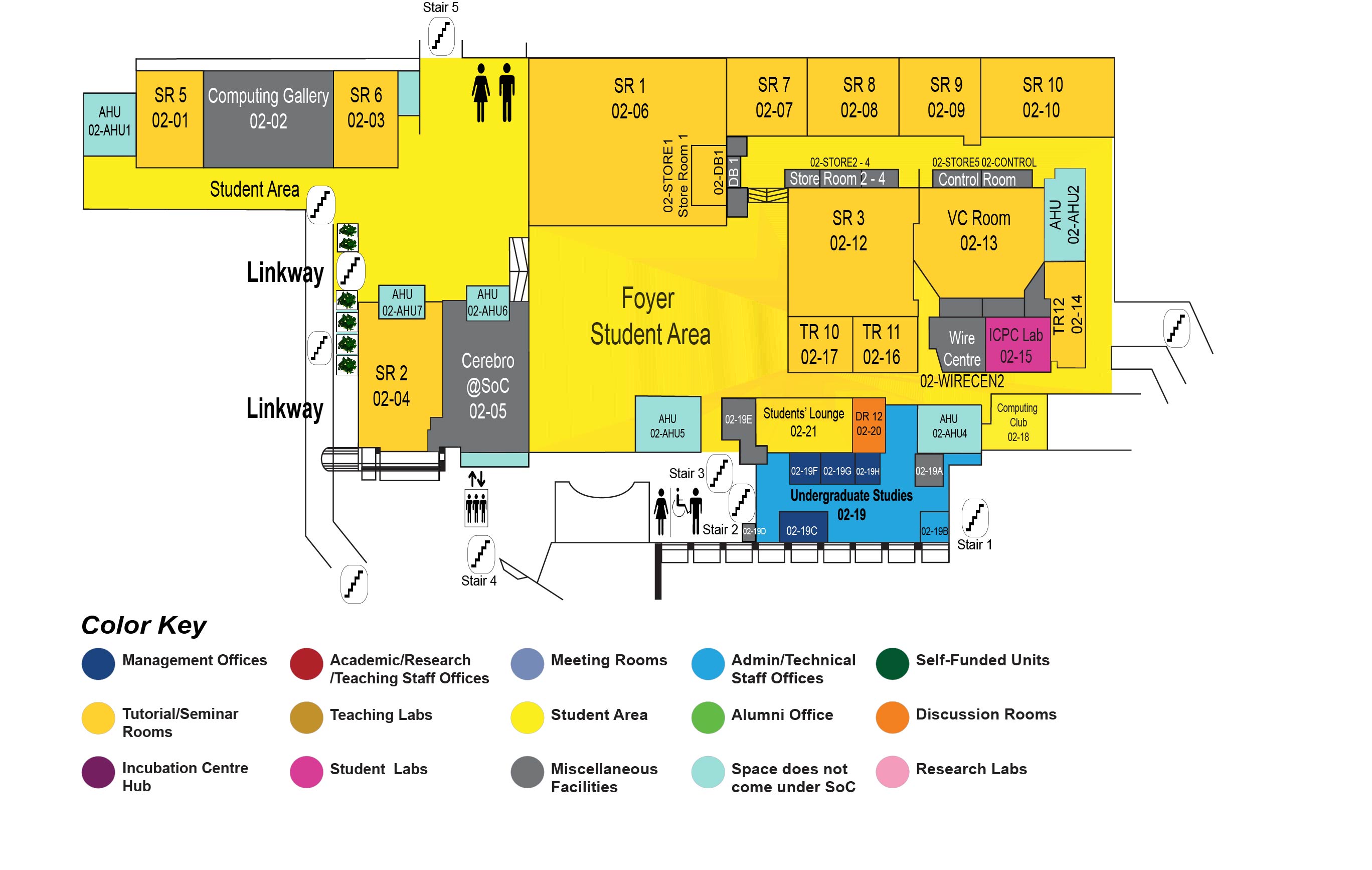
COM1 Level 2
SR2, COM1-02-04
Abstract:
Platform ecosystems have become a dominant model for firms to access external innovation by engaging third-party developers. As the consumers functional demands increase, firms are concerned about their own limitations of fulfilling diverse and evolving consumer demands. In response, firms establish their own platform ecosystems where value is co-created with third-party developers. The platform owner facilitates innovation by outside developers while also striving to maintain control over the ecosystem leveraging the ecosystem dynamics driven by network effects. As platform expands, network effects become more complex, with outcomes increasingly shaped by how the platform could effectively foster innovation, manage competition, and stimulate consumer engagement. This thesis seeks to provide a more complete understanding on the ecosystem dynamics driven by network effects by focusing on two mechanisms: governance structure and information consistency in the platform feedback loop.
The first study examines how platform owners use governance to shape innovation and manage market dynamics. Specifically, we investigate the introduction of proprietary benchmark products—first-party products—as a form of strategic control. These products serve both as exemplars and as competitive pressures on third-party developers. Using a quasi-experimental difference-in-differences design, we analyse how third-party developers respond to platform governance through strategic price adjustments and product quality improvements, and how these responses affect consumer engagement over time. While prior research suggests that platform governance can suppress developer performance by reducing consumer engagement in the short term, this study reveals a more dynamic process. Developers with high-quality offerings are able to adapt and recover consumer attention, mitigating the initial negative impact of governance interventions. The study underscores the need for balance in platform governance: overly assertive interventions may deter innovation, while strategic moderation can allow competitive adaptation.
The second study turns to the consumer side, examining how information consistency between product descriptions and user reviews drives consumer conversion and amplifies network effects. It addresses a key paradox: network effects often stagnate despite growing volumes of products and user-generated content. This stagnation arises when only a small subset of products captures user attention, limiting broader engagement and curbing ecosystem growth. Specifically, we highlight consumer conversion—transformation of potential users into active users—as critical for activating network effects, and we focus on information consistency between product descriptions and consumer feedback as a key driver of consumer conversion. Using word embeddings and sentence transformer models, we measure the contextual consistency between product descriptions and heterogenous user reviews over time. Our findings show that consumers prioritize consistency between product and review information when making purchase decisions. It is not merely the volume or variety of consumer signals that matters, but their coherence.
Taken together, this thesis re-explores the mechanisms of network effects by focusing on different perspectives of involved stakeholders. Our findings provide understandings on how ecosystem growth is shaped by the dynamic interactions among platform governance, developers’ competition strategies, and consumer behaviors.