

Learning User Dynamics for Effective and Efficient Fraud Detection
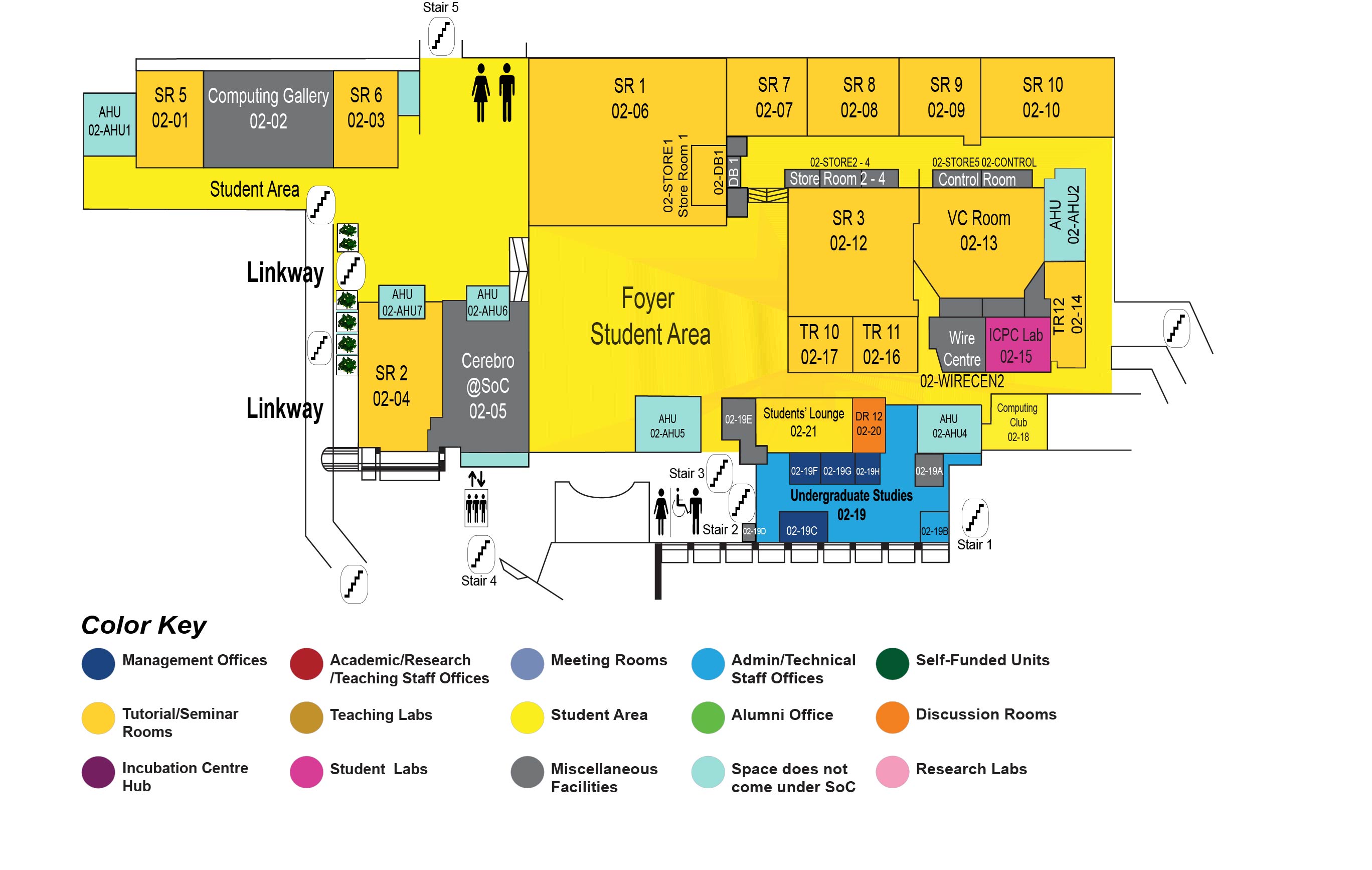
COM1 Level 2
SR7, COM1-02-07
Abstract:
Fraud detection is essential for protecting users and merchants, maintaining platform integrity, and building trust in online transactions. The rapid growth of user data in ecommerce, coupled with advancements in deep learning and graph neural networks, has enabled more sophisticated, data-driven approaches to detect fraud. These methods go beyond traditional rule-based systems by uncovering user intentions and transaction patterns. However, the constantly evolving nature of fraud and the complexity of user behavior data remain significant challenges.
In this thesis, we explore user dynamics, encompassing users’ behavioral actions on ecommerce platforms and their interactions with other users or entities. We aim to discover how users’ actions evolve and how these patterns provide valuable insights for leveraging temporal behavioral data in fraud detection. Specifically, we focus on learning users’ multi-view intentions, unveiling implicit user connections, and enabling real-time detection of fraudulent transactions.
First, we introduce a user intention learning framework that captures users’ intentions from multiple perspectives, leveraging temporal information to detect fraudulent behaviors from daily activities before transactions occur. Second, we address the challenge of camouflaged fraudsters who avoid connections to other fraudsters, limiting the effectiveness of GNN-based methods. Our novel approach uncovers implicit associations by identifying learning-based cohorts, enhancing user representation with cohort neighbor information, and employing supervised contrastive learning to mitigate negative cohort associations. Third, we propose a temporal multipartite graph learning technique that conceptualizes transactions as subgraphs within a temporal multipartite graph, capturing intricate relationships between users and entities. This technique provides swift responses to new transactions, balancing accuracy and real-time detection to prevent financial losses for legitimate users and merchants. Overall, this thesis explores the dynamic nature of online fraud and provides an in-depth analysis of the limitations of existing fraud detection methodologies.