

Data Protection in Federated Learning
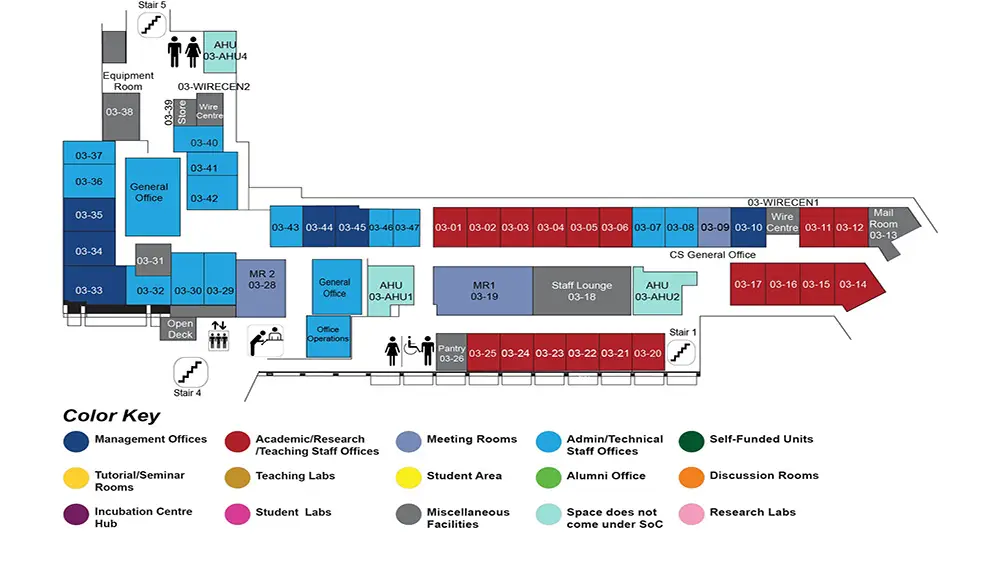
COM1 Level 3
MR1, COM1-03-19
Abstract:
Recent advances in machine learning (ML), such as ChatGPT and DALL·E, have profoundly influenced daily life, but they also raise significant ethical concerns. Among these, algorithmic fairness and data privacy stand out as critical issues, both recognized as fundamental principles in the EU's General Data Protection Regulation (GDPR). Algorithmic fairness seeks to prevent ML models from favoring specific groups (e.g., male over female job applicants or affluent over underprivileged patients). Data privacy, on the other hand, ensures that sensitive information from training datasets remains protected during model development and deployment.
This thesis examines fairness and privacy in the context of distributed data, where data is dispersed across multiple entities, such as edge devices, local governments, and service providers. Traditional approaches to addressing fairness and privacy often require centralizing data, which inherently violates privacy. Instead, this work focuses on Federated Learning (FL), a decentralized paradigm that enables parties to collaborate on training by sharing model parameters rather than raw data.
This thesis addresses these challenges through a series of systematic studies. First, we develop an efficient algorithm for auditing privacy risks in FL, enabling participants to identify vulnerabilities before exploitation occurs. Next, we uncover a critical fairness issue in FL: biases embedded in local data can be amplified during the aggregation of model parameters, leading to unfair outcomes. Additionally, we analyze the inherent trade-offs between privacy and fairness, demonstrating that enhancing fairness can sometimes compromise privacy. Extending those analysis, we investigate privacy risks in large language models, proposing methods to assess the exposure of sensitive information of their pretraining data. Finally, we outline future research directions aimed at addressing these intertwined challenges.