

Investigating Microphone Privacy under Remote Eavesdropping Attacks
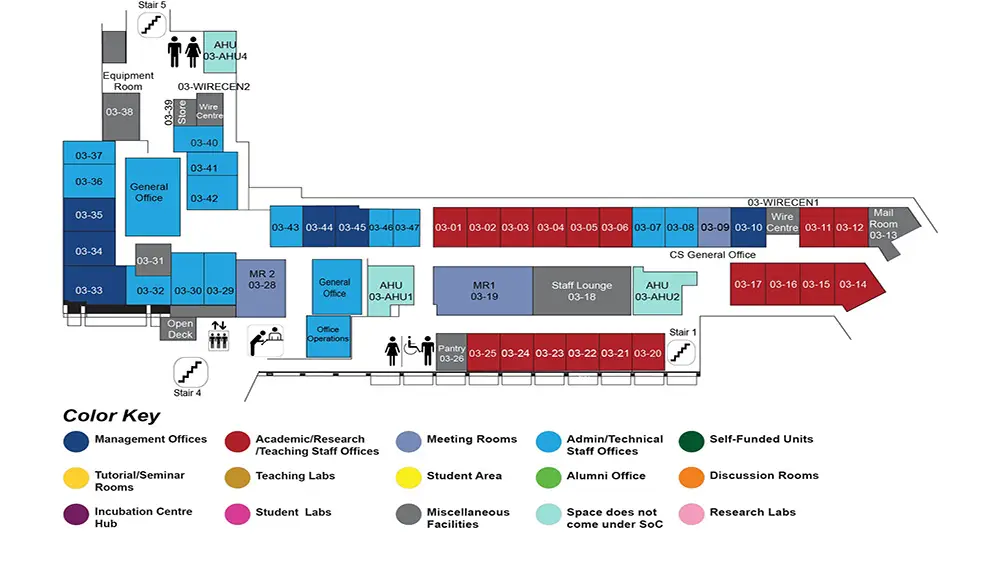
COM1 Level 3
MR1, COM1-03-19
Abstract:
Microphones are integral to modern devices, enabling applications such as communication, voice-controlled assistance, and security monitoring. However, their ubiquity increases the risk of remote eavesdropping, where attackers compromise user-owned devices to spy on private conversations and infer sensitive information such as passwords, locations, and health parameters through ambient sound recordings. The potential for information leakage via microphones is vast, and current research has only begun to scratch the surface. To address microphone eavesdropping attacks, existing defenses focus on detecting or disabling microphones, but they often require hardware modifications, are prone to software vulnerabilities, or indiscriminately disable all microphones.
In this thesis, we expand the scope of audio inference attacks achieved through remote eavesdropping, and propose generic solutions to detect and selectively deter microphone access in user devices. First, we introduce Keynergy, a novel eavesdropping attack that leverages ambient sounds to reconstruct the secret code of a physical key. Subsequently, to counter such threats, we propose two defense strategies: TickTock, a system that detects microphone activity using electromagnetic leakage, and MiCloaker, a usable solution for microphone deterrence that selectively disables unauthorized microphones while allowing legitimate recording.
Overall, this thesis highlights the growing space of eavesdropping threats, and underscores the need for robust defenses that can mitigate these risks across diverse attacker models.