

Security Impacts of Secondary Sensor Data in Ubiquitous LIDARs
AS6 Level 5
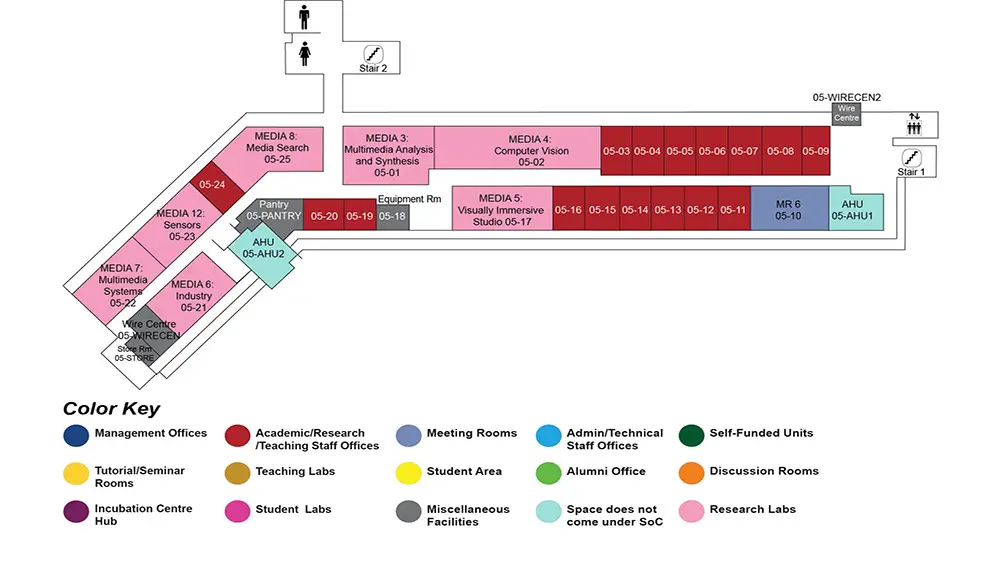
MR6, AS6-05-10
Abstract:
LIDAR (light detection and ranging) sensors are now ubiquitous through their deployment in homes, smartphones, and as a core component in the rise of autonomous vehicles, due to their versatility in measuring distances to objects in the environment. However, very little is known about their security impacts, despite their increasingly significant impacts on our daily lives.
This thesis explores the security implications of these LIDAR sensors. We focus on the impact of LIDARs on security properties such as confidentiality and integrity, via both attacks and defenses. Existing security research on LIDARs only focuses on two narrow aspects: LIDAR sensors on autonomous vehicles, and the traditional view that LIDARs can only be used to measure distances to nearby objects. In this thesis, we show that many ubiquitous LIDARs (even beyond those used in autonomous vehicles) capture secondary sensor data such as light intensity information in addition to distance information, and this information impacts security.
We present three works that utilize this secondary light intensity information from LIDARs in a security context. First, we demonstrate the potential of ubiquitous LIDARs as a privacy threat via LidarPhone, which transforms LIDARs on robot vacuum cleaners into audio eavesdropping devices. Next, we present LAPD, which uses LIDARs on smartphones to detect hidden cameras, addressing another threat to user privacy and confidentiality. Lastly, we propose LISB, a technique to simplify existing LIDAR spoofing attacks on autonomous vehicles. Overall, this thesis shows that LIDARs measure more security-relevant sensor data than previously considered, and we propose that similar possibilities exist within other secondary data sources in LIDARs.